FESTAE Ecuador vs. Peru vs. Columbia

  • We are currently upgrading MFK. thanks! -neo
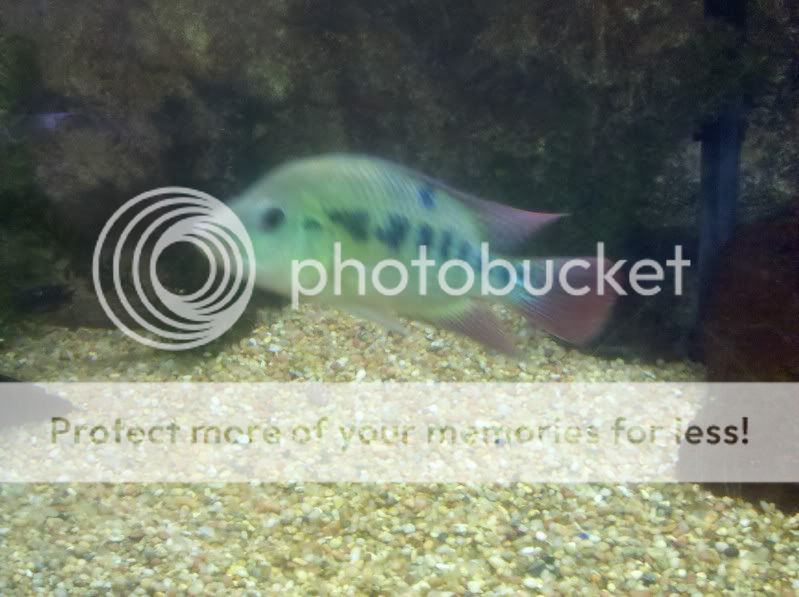
Ill have to dig up some pics from my computer when i get home but ive personally owned Festae from Ecuador and Peru and from what ive noticed is the adult males from ecuador seem to have higher profiles and show more of a yellow/gold base and tend to show less barring and usually just during spawning. Females from Ecuador have brighter/intense reds and oranges and bars will tend to go from black to a bluish color and can have a high profile. whereas the adult males from Peru get just as thick as any other males but dont really get a nuchal hump and they tend to carry their stipes more often, breeding or not. also ive noticed more of a greenish tint to their base color and face. The females from Peru had darker, deeper reds and their bars would stay black and looked more full bodied. I havent owned any from columbia but i do remeber a member here named Cavamart having a wild pair from Columbia and they had a green coloration to them. these are just things ive noticed with mine and other festae that were known or claimed to be from these locations. But to me these are all just theories lol for example Baltons male is from Ecuador and Umbeekings male is from Peru.
 
  • Like
Reactions: Brazzen1
What I'm saying is two fish from different drainages in Ecuador could look differently from each other, though they're both from Ecuador. Doesn't make sense to break them up by country, it's not going to help at all to understand phenotypic variations lumping them by country.

Fair point, although one may expect that fish from Columbia are more likely to be from a different drainage than those from Ecuador and Peru. See pic below.

Anyway, we will have to work with what we have. Hope Mack can add to the "Collected from Columbia" part.

3886-004-CCA4EE37.gif
 
Yes - that was my point (I was being sarcastic)... country borders are arbitrary...

Here's what Cichlid Room Companion (www.cichlidae.com) has - see below (If you want accurate, scientifically supported info about cichlids, you should join CRC !)...

It makes sense that fish from muddier/stagnant areas would have better color (they need to see each other through the water)...and ones from clear water have less (easier to see / bright colors would result in them being eaten by birds).

Fish EXPORTED from one country or another were likely collected from a particular area in that country. Anyone know the actual rivers/locations where Festae are or have been collected for export? The characteristics of these usual collecting locations probably have more to do with the fishes' appearance than any blanket generalization about how festaes (or other fish for that matter) look across an entire nation. In other words, fish from stagnant area in Colombia, Ecuador and Peru probably look a lot alike...as do fish from clear water in the same countries.

Matt

...from CRC (http://www.cichlidae.com/gallery/species.php?id=185)
--------------------------------------------------------------------------------------------------------------------------------------------------------------------------------------------------------------------------------------------
Type locality: Río Guayas, Guayaquil, Ecuador.
Distribution: exCichlasoma festae occurs on the Pacific slope of South-America, from the Río Esmeraldas [Ecuador] south to the Río Tumbes [Peru].
Inhabited countries: Ecuador (native), Peru (native).
Habitat: A wide variety of habitats is used. Fast flowing clear streams as well as almost stagnant rivers with turbid water and a muddy bottom are home to exCichlasoma festae. Different populations appear to exist, possibly in adaptation to these habitats. These populations consist of specimens with either a bright red or more yellowish coloration. There are also differences in the colors of the stripes, ranging from black to dark blue.

------------------------------------------------------------------------------------------------------------------------------------------------------------------------------------------------------------------------------------

Pretty sure the borders of countries (ambiguous things humans made up) have nothing to do with variants. ;)
 
2011-07-27_23-32-22_352.jpg


My largest male F0 from Ecuador I do not know the river tho.

IMG_20110226_154426.jpg


Second largest male F0 from peru do not know the river either.

IMG_20110305_211714.jpg


IMG_20110305_211827.jpg


F0 female from Ecuador, different batch than the biggest male but from the same collection point

2011-07-07_23-44-16_460.jpg


My smallest batch is from dan of cichlidsoftheamericas.com rio tumbes
 
What I'm saying is two fish from different drainages in Ecuador could look differently from each other, though they're both from Ecuador. Doesn't make sense to break them up by country, it's not going to help at all to understand phenotypic variations lumping them by country.

Good point. I guess you will see this with many species of fish. Often it seems in the hobby fish are categorized by country of origin right? If people know the drainage then post that, I am just trying to get some info about the differences in collection points. Thanks
 
Yes - that was my point (I was being sarcastic)... country borders are arbitrary...

Here's what Cichlid Room Companion (www.cichlidae.com) has - see below (If you want accurate, scientifically supported info about cichlids, you should join CRC !)...

It makes sense that fish from muddier/stagnant areas would have better color (they need to see each other through the water)...and ones from clear water have less (easier to see / bright colors would result in them being eaten by birds).

Fish EXPORTED from one country or another were likely collected from a particular area in that country. Anyone know the actual rivers/locations where Festae are or have been collected for export? The characteristics of these usual collecting locations probably have more to do with the fishes' appearance than any blanket generalization about how festaes (or other fish for that matter) look across an entire nation. In other words, fish from stagnant area in Colombia, Ecuador and Peru probably look a lot alike...as do fish from clear water in the same countries.

Matt

...from CRC (http://www.cichlidae.com/gallery/species.php?id=185)
--------------------------------------------------------------------------------------------------------------------------------------------------------------------------------------------------------------------------------------------
Type locality: Río Guayas, Guayaquil, Ecuador.
Distribution: exCichlasoma festae occurs on the Pacific slope of South-America, from the Río Esmeraldas [Ecuador] south to the Río Tumbes [Peru].
Inhabited countries: Ecuador (native), Peru (native).
Habitat: A wide variety of habitats is used. Fast flowing clear streams as well as almost stagnant rivers with turbid water and a muddy bottom are home to exCichlasoma festae. Different populations appear to exist, possibly in adaptation to these habitats. These populations consist of specimens with either a bright red or more yellowish coloration. There are also differences in the colors of the stripes, ranging from black to dark blue.

------------------------------------------------------------------------------------------------------------------------------------------------------------------------------------------------------------------------------------

Thanks for posting such a informative answer in your first post, that contributed to the thread.


This post is what I hoping for, information. Could have said this in your first post. Good job buddy
 
My male is not from anywhere (acutally he's from Texas), he was bred in my tank. But his mother was an F1 bred from Equadorian caught parents, and his pops was wild caught from Equador. I'm not posting a pic, you all know what he looks like.

<---Oh yeah, there he is. :)
 
i think the nicest looking pair of festae would be Ecuador Male with a Peru female , because th eperu females are darker red more intense, also were does dan collect his rio tumbes festae from
 
MonsterFishKeepers.com