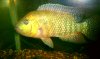
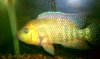
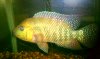
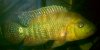
well yes, if you want to be 100% sure to get quality. But with larger more reasonably established festae comes a higher price, plus shipping can be higher too. If your looking to get quantity then fry is the best bang for your buck. And I say to do your research before buying anything online. If your buying fry less than an inch then there are possibilities of obtaining deformities amongst the group which can tend to be overlooked. Fry over an inch is a lot easier to recognize the deformitiea and prevent them fron being sold. Of course nobody's perfect, of the hundreds of fry I've shipped, i know of at least two that were deformed which slipped by me. So if you want fry then research the parents and ask questions to ensure what your buying is quality. Otherwise buy the larger ones to be 100% and pay higher prices....
Honest questions don't always elicit honest answers especially with the LOOT potential. Some vendors hide behind the excuse that the supplier told them the fish were F0. So they tell their buyers the same thing. The buyer then either breeds and/or sells his as the same.
When a more experienced person/breeder/hobbyist makes a vendor or hobbyist aware that their stock is not F0, they continue perpetuating the mockery because publicly admitting they don't know for sure will severely impact their profit/quick sale opportunity at least that's what they perceive. The purchaser typically goes into denial/survivor mode and tries every manner of rationalization he/she can muster in order to convince themselves and the public they haven't been duped.
Festae popularity has never been higher and F0's have never been more scarce. In all honesty though, many of the best specimens I have ever had the privilege of owning or observing were F1. There are more advantages to owning F1's than F0's even though they are genetically the same except for the water they were born breathing.
IMPO the high rate of deformities/abnormalties are not due to the truely F0 specimens, especially Ecuadorians but those perceived as such. Weak/defective specimens typically aren't strong enough to live till maturity and breed in the wild. The same should apply in our aquariums.
Another major contributor to the high rate of abnormalities is incest/inbreeding. Many inexperienced hobbyist are instructed to buy a group and let them pair out naturally. Not the best advice if they all come from the same spawn. These hobbyist then breed the siblings and sells a group to another who repeats the cycle. 2 generations of inbreeding is all that's necessary to start a downward spiral towards the MUTANTS we are seeing on a regular basis.

If 2 festae are spawned more than twice and growouts are kept from each breeding, a sort of developmental fingerprint so to speak can be observed i.e short or long snouts, unique barring, high profiles, torpedo shapes, recessive undesirables, and others. One thing is certain. You'll know what issues or lack of them you'll get from those particular parents.
Everyone wants to breed them but lack the skill, knowledge and understanding of what's involved. Having a pair in your tank that pops eggs for you every few weeks doesn't make you a breeder. Unless you're an ardent student of the species, you're not a breeder. Very few vendors/wholesalers/transhippers qualify as authorities on many of the species we love. Sure, most have the resources to find them, get them to America and into the hands of us hobbyist but lets be honest, many of them stock them in holding tanks till sold. But 2 things have forever changed the relationship between vendors/retailers, breeders,and hobbyist. The internet and the recession. And with Festae, the export ban in Ecuador.
I am Flowerhorn illiterate and am utterly amazed at how the dedicated hobbyist who collect them can identify particular strains at the drop of a hat. And are able to rate their quality with an uncanny accuracy.
That same skill applies to those who have passionately collected Festae for decades. It's how these individuals can so quickly identify Festae from Mayans/Uro's even without seeing the tail spot or bar pattern even with 1" fry. Their acquired skill and keenly trained eyes also afford them a distinct advantage in spotting impostors and substandard specimens. It's akin to a counterfeit money detector. Once you know authentic currency like the back of your hand the counterfeits stand out like a sore thumb.
Just M

 !
!