Geophagus Sveni - Egg questions

  • We are currently upgrading MFK. thanks! -neo

Breeze

Exodon
MFK Member
Aug 31, 2018
39
49
26
Denver, CO
Hey all,

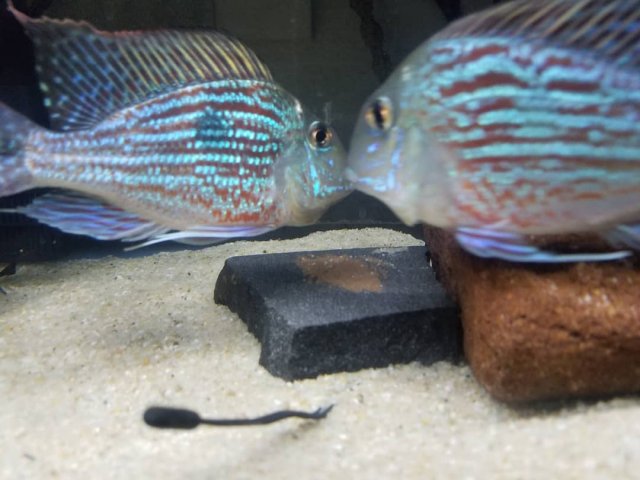
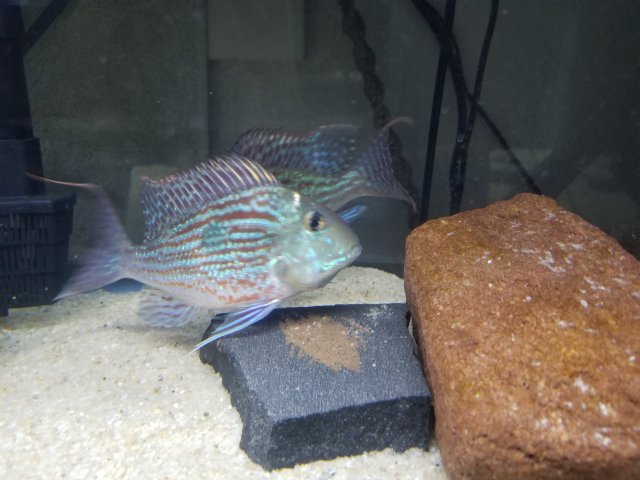
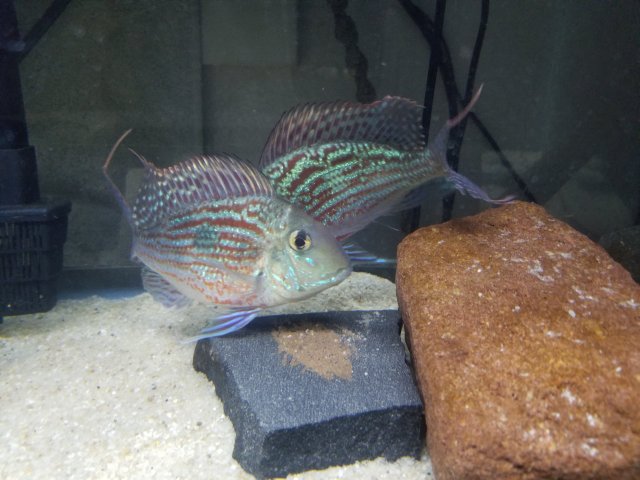
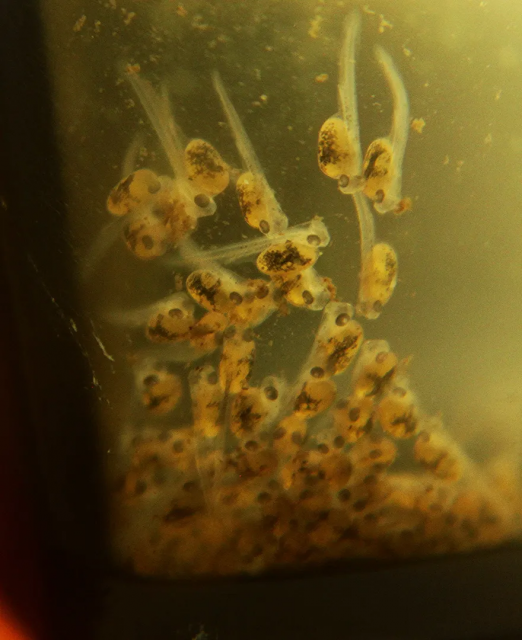
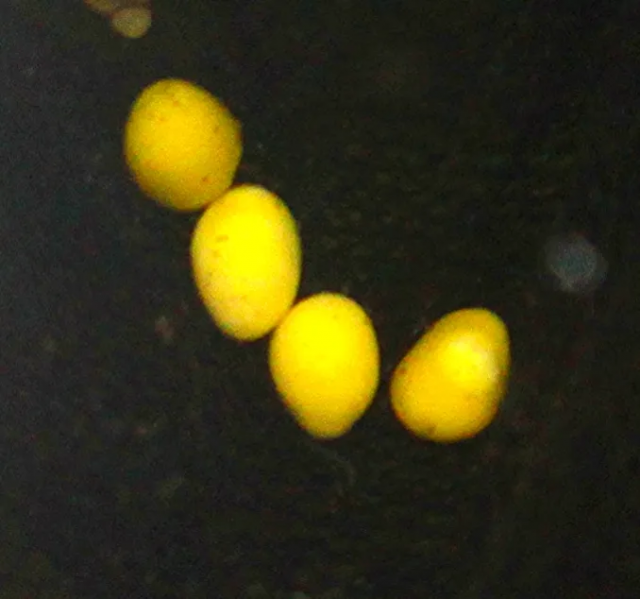
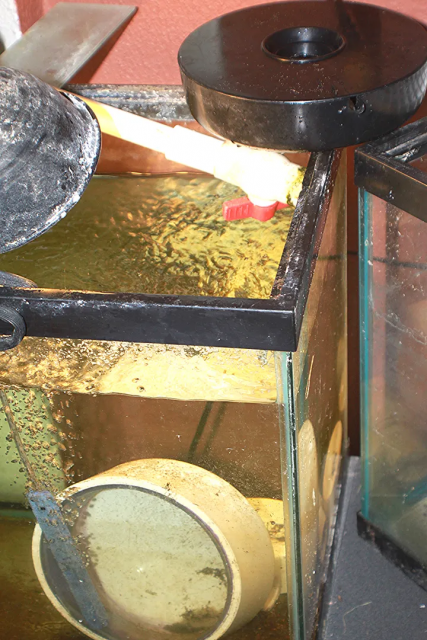
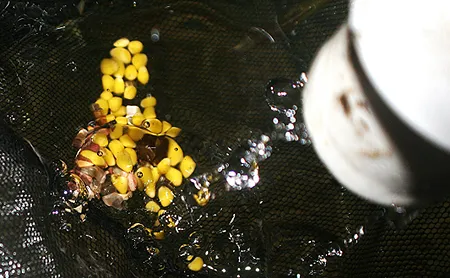
Finally got a pair of my 6x sveni to spawn for the first time. Not only are the fish new to the spawning game, i have never spawned geophagus sp so id like some input on wether or not i should use a tumbler for half the eggs.

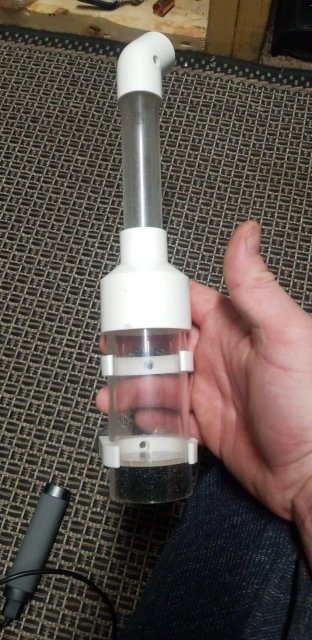
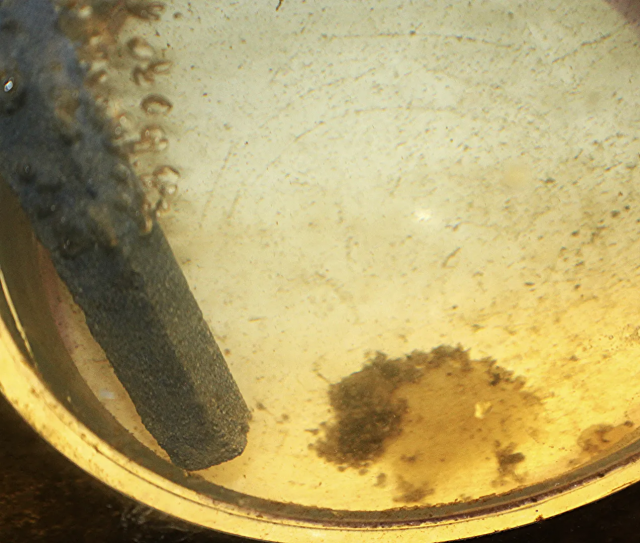
Pics attached, eggs and tumbler that i plan to use, If suggested.

Thanks all! Hope everything goes well. The mother and father are great looking specimens.

IMG_20210126_201127_259.jpg

20210126_185133.jpg

20210126_185131.jpg

20210126_185128.jpg

received_972065409993122.jpeg
 
  • Like
Reactions: BIG-G and Deadeye
Many Geophagines (including the altifrons clade) do no mouth brood the eggs, they are postponocavous (meaning they pick up the young after eggs hatch), to mouth brood after the young become wrigglers.
I have (in community settings) removed the entire stone the eggs are placed on, and artificially raised cichlids in a large enough breeder box that way.
1611744408910.png
1611744522086.png

If not, remove or separate all other fish from the tank, and allow only the pair to comfortably share egg and fry duties, if that is is possible.
This is what I've done in the past with members of the altifrons group that have spawned.
The eggs (which usually hatch in only 24 to 48 hours) are (I believe) attached to the stone with adhesive strands (unlike African cichlids) , and I've always figured scraping them off with a razor blade, severing the strands would do more harm than good.
African cichid eggs below, are quite different than the adhesive eggs a(bove)
1611745588447.png
I know people who scrape Corydorus eggs off surfaces with razor blades like the tank glass and are successful.
I've used egg tumblers with old world cichlids, but never done it with new world cichlid eggs.
1611745678275.png

If isolating or removing other inhabitants of the tank isn't possible.....
If you have a 10 or 20 gallon tank laying around that could be used to accomidate the entire rock, or spawning surface and could place an airstone near it to oxygenate the eggs, it might work.
1611744859820.png
1611744913885.png
I was lucky when the cichlid that laid the eggs above, put them inside a large PVC cap, so I could easily remove it without exposing the eggs to the air to the already prepared fry tank above.
I would often set up small tanks in the same sump line, so water parameters were the same as the tanks they were spawned in as grout tanks.

1611744648083.png
 
Last edited:
Many Geophagines (including the altifrons clade) do no mouth brood the eggs, they are postponocavous (meaning they pick up the young after eggs hatch), to mouth brood after the young become wrigglers.
I have (in community settings) removed the entire stone the eggs are placed on, and artificially raised cichlids in a large enough breeder box that way.
View attachment 1448918
View attachment 1448919

If not, remove or separate all other fish from the tank, and allow only the pair to comfortably share egg and fry duties, if that is is possible.
This is what I've done in the past with members of the altifrons group that have spawned.
The eggs (which usually hatch in only 24 to 48 hours) are (I believe) attached to the stone with adhesive strands (unlike African cichlids) , and I have always figured scraping them off with a razor blade would do more harm than good.
Africancichid eggs below
View attachment 1448923
I know people who scrape Corydorus off surfaces with razor blades, like the tank glass and are successful, and although I've used egg tumblers with old world cichlids, I've never done it with new world cichlid eggs.
View attachment 1448924

If isolating or removing other inhabitants of the tank isn't possible.....
If you have a 10 or 20 gallon tank laying around that could be used to accomidate the entire rock, or spawning surface and could place an airstone near it to oxygenate the eggs, it might work.
View attachment 1448921
View attachment 1448922
I was lucky when the cichlid that laid the eggs above, put them inside a large PVC cap, so I could easily remove it without exposing the eggs to the air to the already prepared fry tank above.
I would often set up small tanks in the same sump line, so water parameters were the same as the tanks they were spawned in as grout tanks.

View attachment 1448920

Thank you so very much for an informative response. Loaded with good stuff.

I have the pair in their own 20gal long, in which they have resided since pairing off about 2.5 months ago.

The male seems to be ontop of parental duties at the moment (12 hrs or so after laying) and mom has been pushed to the outer reaches of the tank. Im hoping this is a postive gesture, as the male seems to be doing a good job of fanning the eggs.

As to the use of tumblers in new world cichlids, i havent used them with "sticky" eggs myself and was curious if anyone had done so in the past. So you have confirmed my beleifs that it would not be a positive move.

The slate is easily moved, if necessary, thanks to a very accessible spawn site.

Thanks once again for your reply. I love a loaded response!
 
  • Like
Reactions: tlindsey
Many Geophagines (including the altifrons clade) do no mouth brood the eggs, they are postponocavous (meaning they pick up the young after eggs hatch), to mouth brood after the young become wrigglers.
I have (in community settings) removed the entire stone the eggs are placed on, and artificially raised cichlids in a large enough breeder box that way.
View attachment 1448918
View attachment 1448919

If not, remove or separate all other fish from the tank, and allow only the pair to comfortably share egg and fry duties, if that is is possible.
This is what I've done in the past with members of the altifrons group that have spawned.
The eggs (which usually hatch in only 24 to 48 hours) are (I believe) attached to the stone with adhesive strands (unlike African cichlids) , and I've always figured scraping them off with a razor, severing the strands blade would do more harm than good.
African cichid eggs below, are quite different than the adhesive eggs a(bove)
View attachment 1448923
I know people who scrape Corydorus eggs off surfaces with razor blades like the tank glass and are successful.
I've used egg tumblers with old world cichlids, but never done it with new world cichlid eggs.
View attachment 1448924

If isolating or removing other inhabitants of the tank isn't possible.....
If you have a 10 or 20 gallon tank laying around that could be used to accomidate the entire rock, or spawning surface and could place an airstone near it to oxygenate the eggs, it might work.
View attachment 1448921
View attachment 1448922
I was lucky when the cichlid that laid the eggs above, put them inside a large PVC cap, so I could easily remove it without exposing the eggs to the air to the already prepared fry tank above.
I would often set up small tanks in the same sump line, so water parameters were the same as the tanks they were spawned in as grout tanks.

View attachment 1448920

Do you think it would be wise to add an airstone close to the spawn site to assist in water movement/oxygenation? Im worried aboit fungal growth, but water movement is pretty sufficient for the time being. But will be greatly.reduced when i pull the hob filter and go with just the foam filter.

Thanks in advance!
 
  • Like
Reactions: tlindsey
If the parents are already alone with the eggs in a 20, their fanning should be enough.
I see a few unfertilized white eggs, but that's normal, and the parents usually pick them off. before they become problematic
Any obtrusive human action may startle the parents into eating the eggs, so the less outside interference the better.
 
Last edited:
If the parents are already alone with the eggs in a 20, their fanning should be enough.
I see a few unfertilized white eggs, but that's normal, and the parents usually pick them off. before they become problematic
Any obtrusive human action may startle the parents into eating the eggs, so the less outside interference the better.
Agree.
 
  • Like
Reactions: tlindsey and Breeze
MonsterFishKeepers.com