You are using an out of date browser. It may not display this or other websites correctly.
You should upgrade or use an alternative browser.
You should upgrade or use an alternative browser.

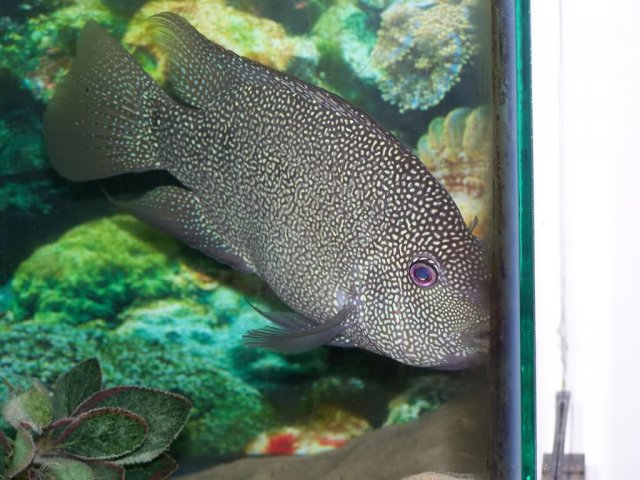
OP-how big is the fish? That makes a difference when IDing. Many small cichlids will resemble others when young.

Not big, around 3-4 inches.OP-how big is the fish? That makes a difference when IDing. Many small cichlids will resemble others when young.

Agreed. I think for the sake of confusion, if people want to refer to the TRUE Texas cichlid, it's probably better to go with "Rio Grande Cichlid"Although "Texas" seems to be a catch-all term for the genus Herichthys, in truth there is only one true Texas cichlid, and it is cyannoguttatus (the only one of the genus endemic to Texas).
I've seen carpintus, tamasopoensus, and even minckleyi erroneously thrown into the term "Texas cichlid", I suppose because they look similar and are the same genus.
Most people can't tell them apart, and expecting a serious ID from a photo is not realistic.
above is a Herichthys carpintus location Chairel
below a pair of Herichthys tamasopoensus preparing to spawn
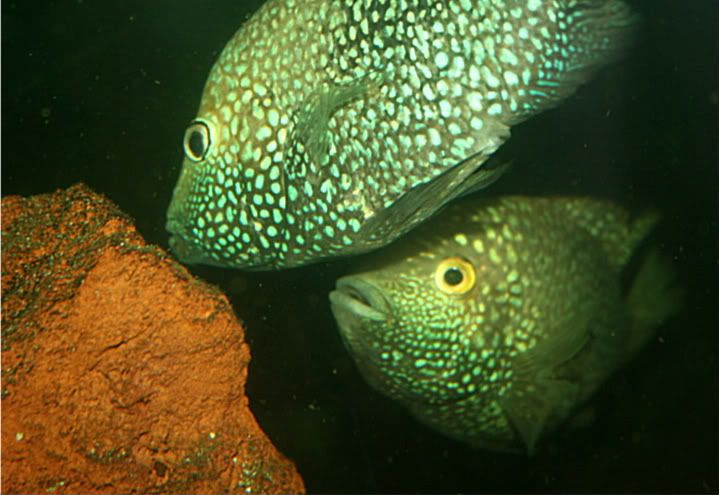


Not big, around 3-4 inches.
Yeah give it time to grow to really get an ID IMO. At that size looks can be deceiving. I wouldn't jump the gun and say it's a hybrid and what kind of mix. Cichlds like a lot of other animals or people and aren't an exact clones of each other. Shapes and colors can vary and this fish has some growing to do. Time will tell. If you bought it from a reputable LFS you probably do have a caprintis.

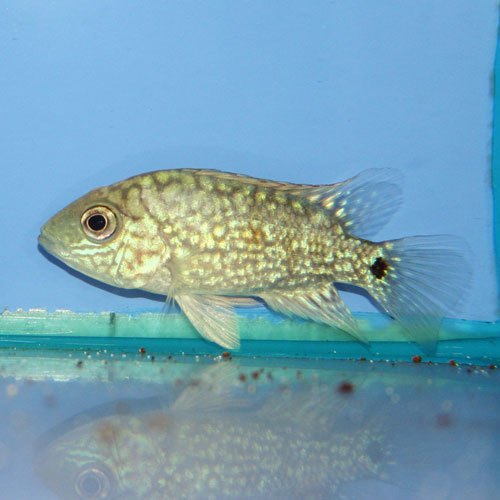

I see a lot of similarity in shape, color is different. Color will vary-stressed fish, different locations of caprintis will look different, and some just are late bloomers.
Even my F1 h. Deppii looked different than the one that was of unknown origin and many tank raised generations. There is no variation in this species. Fin colors are different and shape. All from Rapps, and quality fish.
I have a group of young firemouths right now all around the same size. Two are a yellowish color while the other two are light gray. Color is not the best way to determine what species a fish is.
At a Petsmart near me I saw they had flowerhorns which look like pure trimacs. I doubt they were trimac and bet their color changes over time.

I've seen carpintus, tamasopoensus, and even minckleyi erroneously thrown into the term "Texas cichlid"
I've also seen the Media Luna Labs called "Yellow Texas" before.

True Texas cyanoguttatus have very small spots on gill plates.
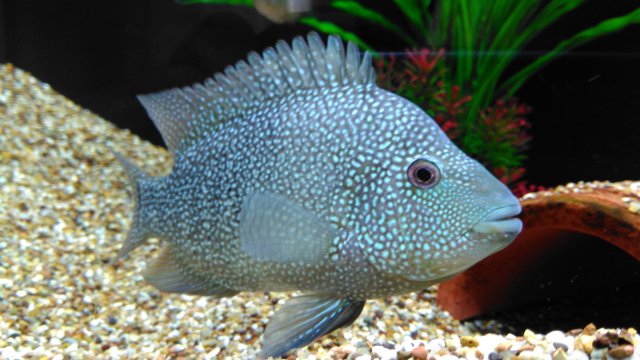
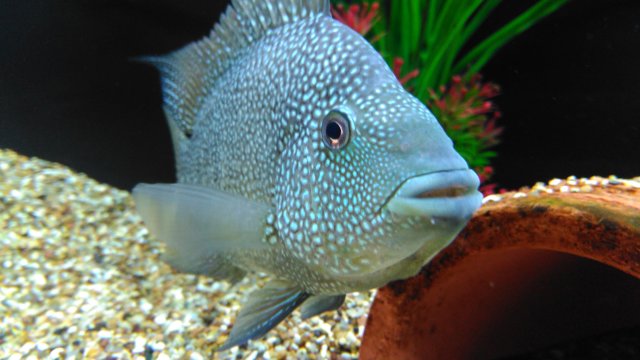
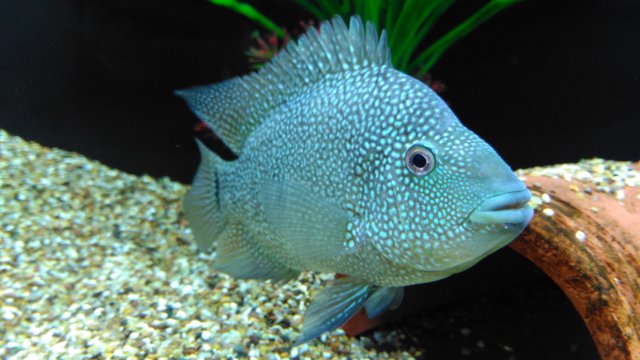
True Texas cyanoguttatus have very small spots on gill plates.
View attachment 1196679
View attachment 1196680
View attachment 1196682
Gorgeous cyano! Here is a pic of a female I had. It's interesting their base color can be green or purple depending where they were collected. Patterns and colors varry w/ h. Caprintis too, but h. Caprintis is not found as far north as Texas. I also suspect different variations are bred creating a fish that looks different.
But to call all herichthys "Texas" is very misleading as they are all very different sp. I guess many people don't have a problem calling different sp. the same name. It seems people also avoid scientific names because the can't pronounce or spell them. Pet stores started it to sell fish and giving names is a selling gimmick.