


In recent DNA studies, synspillum has been found to be the same as melanurum, basically just a color/location variant of melanurum.
The term melanurum goes back to 1862
the name synspillum only as far back as 1935, so the melanurum species name takes presidence.
If you go into a LFS and buy a red head cichlid, chances are that you could be getting any one of 3 or more species.
Beside melanurum, there are bifasciatum, hartwegii, or fenestratus, and most LFSs can't tell the difference. And to add to the confusion, there are any number of people and their sisters creating hybrids from the above and many others, so your chance of getting the species you want is slim to none.
So the only way to get the true version of what you actually want, is to go to one of the respected vendors who specialize in non-corrupted species.
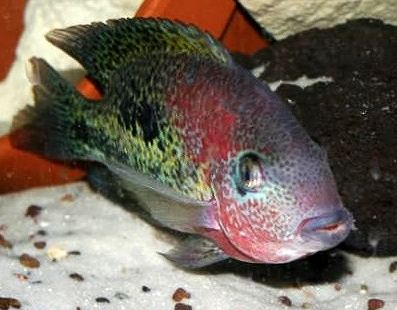
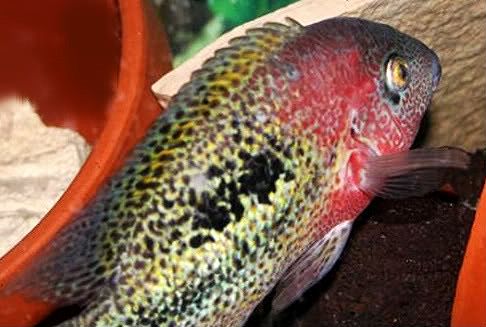
Below is VIeja bifasciatum, Rio Chacamax.
The term melanurum goes back to 1862
the name synspillum only as far back as 1935, so the melanurum species name takes presidence.
If you go into a LFS and buy a red head cichlid, chances are that you could be getting any one of 3 or more species.
Beside melanurum, there are bifasciatum, hartwegii, or fenestratus, and most LFSs can't tell the difference. And to add to the confusion, there are any number of people and their sisters creating hybrids from the above and many others, so your chance of getting the species you want is slim to none.
So the only way to get the true version of what you actually want, is to go to one of the respected vendors who specialize in non-corrupted species.
Below is VIeja bifasciatum, Rio Chacamax.


