

OFFICIAL PLANT/GARDENING THREAD

  • We are currently upgrading MFK. thanks! -neo
Do you mean the length of the fronds or the circumference of the rhizome (clump)?
Frond length varies according to surroundings (the amount of light for example) while the rhizomes actually do take a while to reach decent size.
 
Do you mean the length of the fronds or the circumference of the rhizome (clump)?
Frond length varies according to surroundings (the amount of light for example) while the rhizomes actually do take a while to reach decent size.
Yes,both actually.The rhizome is not as big and the fronds are not nearly as long.
 
Are they planted in the shade? They should develop longer fronds and generally look better there. The rhizomes should get bigger over the next few years.
 
Some are in partial shade and others are in fairly deep shade.Funny thing about it is I've noticed that the ferns that I have in the partial shade areas seem to be growing larger.I wasn't aware that they would tolerate very much sunlight.
 
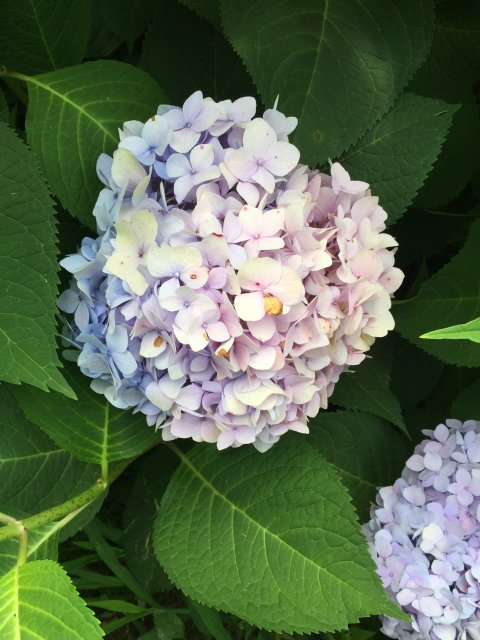
A Few flowersimage.jpg image.jpg image.jpg image.jpg image.jpg
 
Nice,Kid...Strangely enough none of the perrenials in my front yard have come up this year and they are usually up and in full bloom by now.Anyone have a clue why this might be?
 
Some of mine haven't come up because of the dry weather we are having, is your weather normal this year?
 
Some of mine haven't come up because of the dry weather we are having, is your weather normal this year?
Well we have actually had a lot of rain during late spring and early summer.I was starting to suspect that my dog urinating in the yard might have had an adverse effect on the plants....
 
Fungus Gnat Control
  • Inspect plants thoroughly prior to purchase for signs of insect pests. Turn up soil carefully near the base of the plant and look for the glossy, clear larvae. Reject any plant sending up flying gnats.
  • Fungus gnats do best in damp soils; be careful not to overwater, especially during winter months when plants use less. When potting, avoid water holding, organic material such as peat moss that may encourage egg laying.
  • If pests are present, allow the soil to dry to a depth of one to two inches between waterings. This not only kills larvae and inhibits the development of eggs, it also makes the soil less attractive to egg-laying females. Apply Gnat Nix as a top dressing to significantly reduce pest populations.
  • Use Yellow Sticky Traps placed horizontally at the soil surface to capture large numbers of egg laying adults. The gnats are attracted to yellow and are easily removed on the trap before they can lay more eggs.
  • A highly effective way to kill larvae without risks to pets, birds, or wildlife, Mosquito Bits (Bacillus thuringiensis var. israelensis) contain a highly selective, biological larvicide recommended safe for greenhouses and garden water features. It can be used on a wide variety of ornamentals, as well as all bulb crops, bedding plants and vegetable sets.
  • Top dress houseplants with Beneficial Nematodes to destroy the larvae stage. Nematodes are microscopic round worms that penetrate fungus gnat larvae, as well as harmful lawn and garden grubs , fleas, and other soil-borne pests (they do not harm earthworms), then release a bacterium that consumes the pest from the inside out. The long-lasting nematodes are safe for use around pets, plants, and your family.
  • Flying Insect Killer, a combination of peppermint, cinnamon and sesame oils, is a non-toxic spray that will get rid of gnats and other insects that gather around windows.
Tip: The Fungus Gnat Predator (Hypoaspis aculeifer) is a tiny, but effective killer of fungus gnat and other harmful larvae found in soil. On release, they make for a slow but steady, persistent decline in pest numbers. This beneficial insect prowls the soil attacking the larvae and feeding on their contents. Release 10,000 predators per 200 – 1,000 square feet depending on pest levels.
 
MonsterFishKeepers.com
