Old or sick?

  • We are currently upgrading MFK. thanks! -neo

Gartenprofi

Feeder Fish
MFK Member
Jan 11, 2026
14
8
3
25
Germany
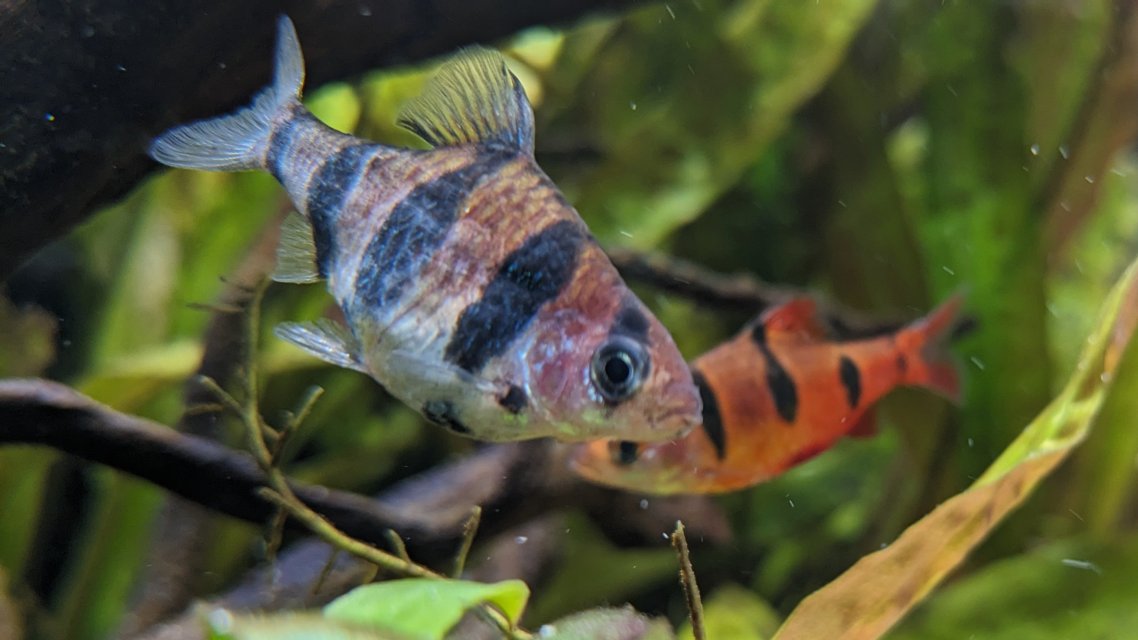
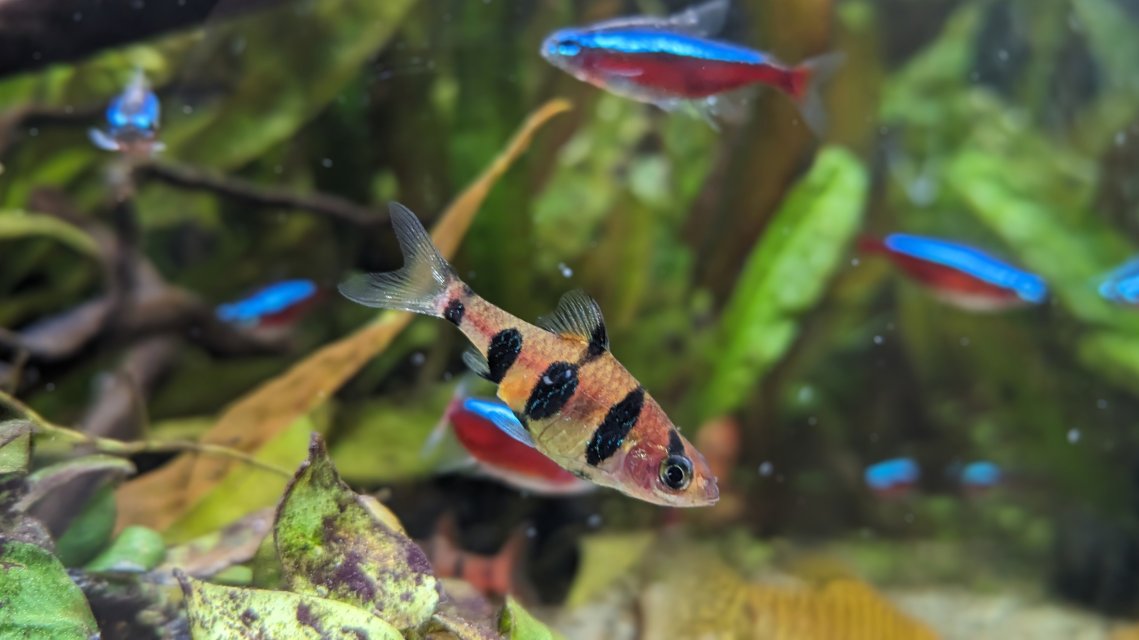
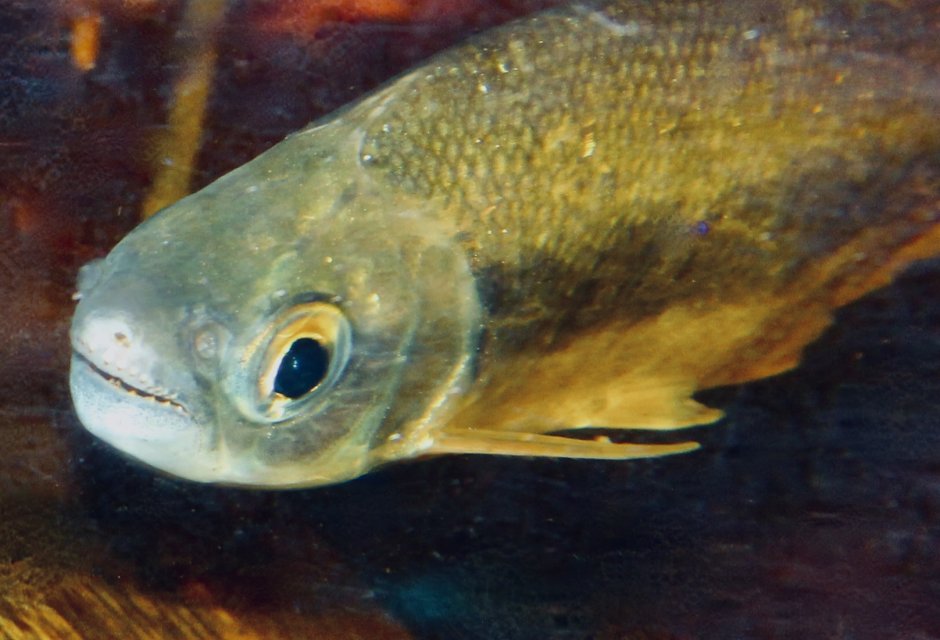
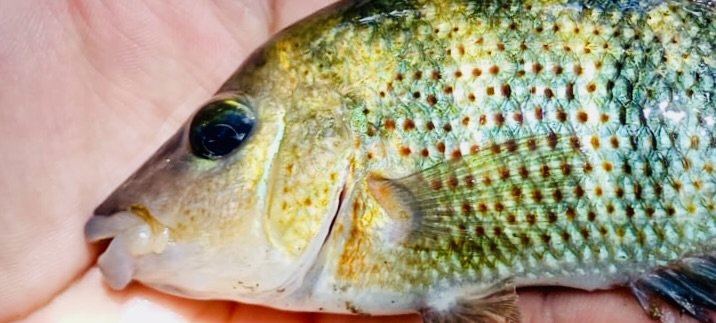
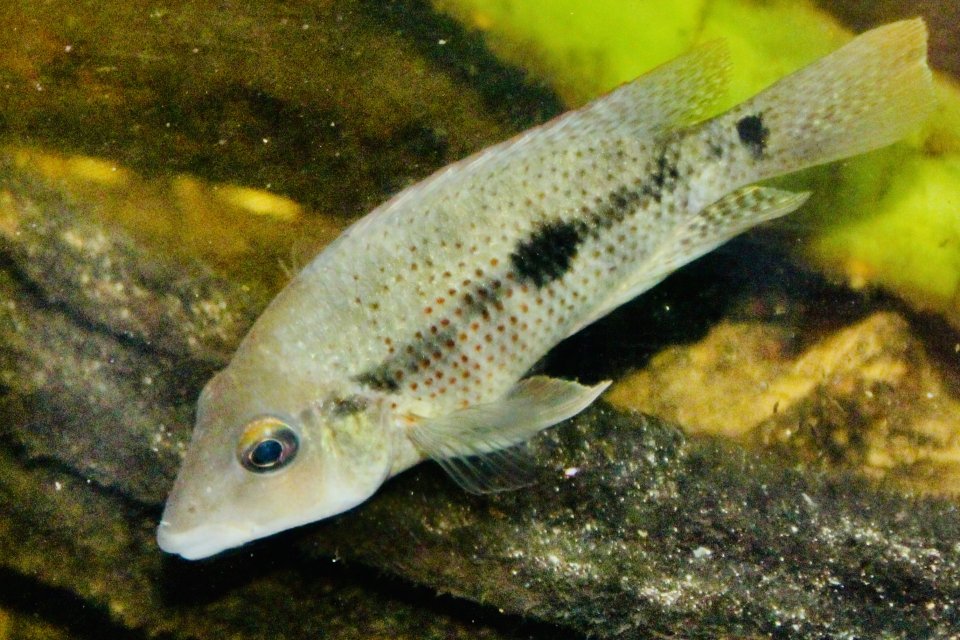
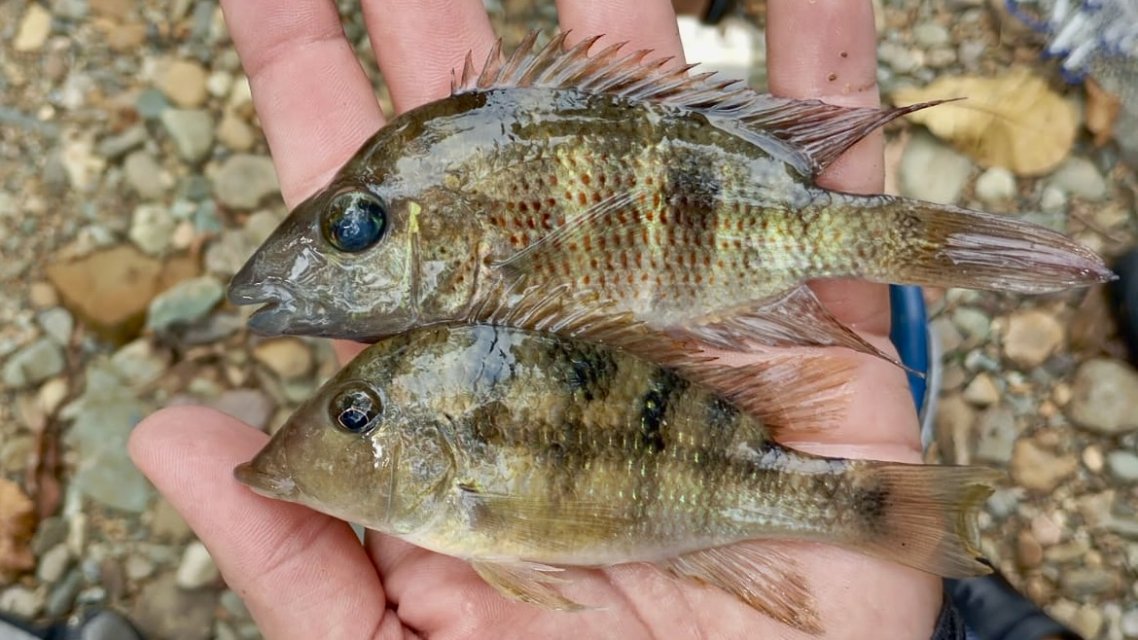
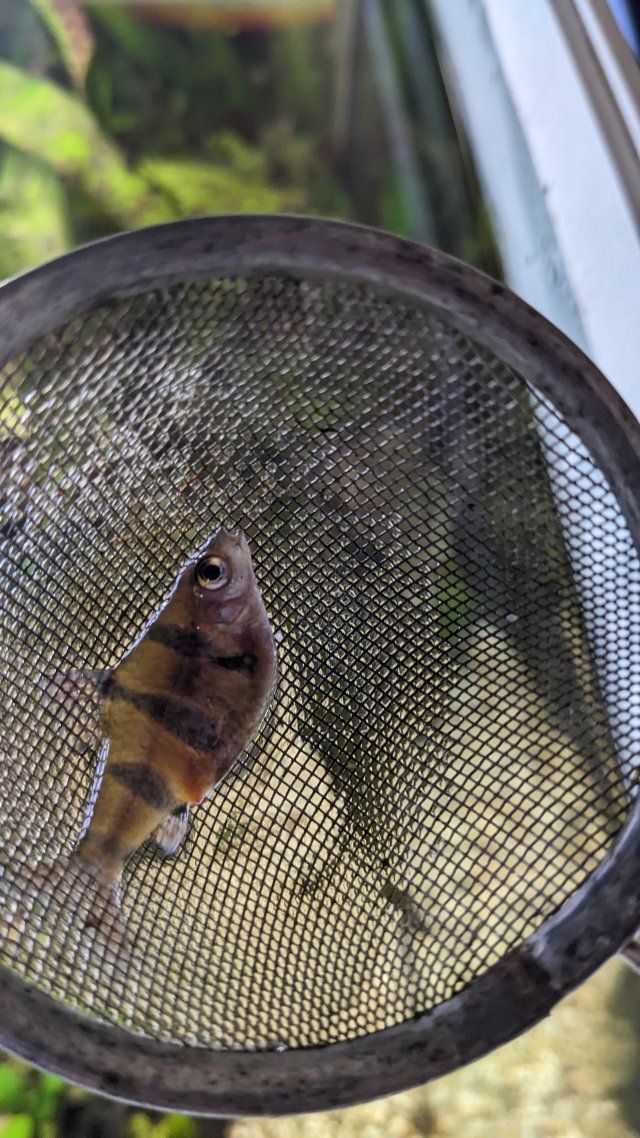
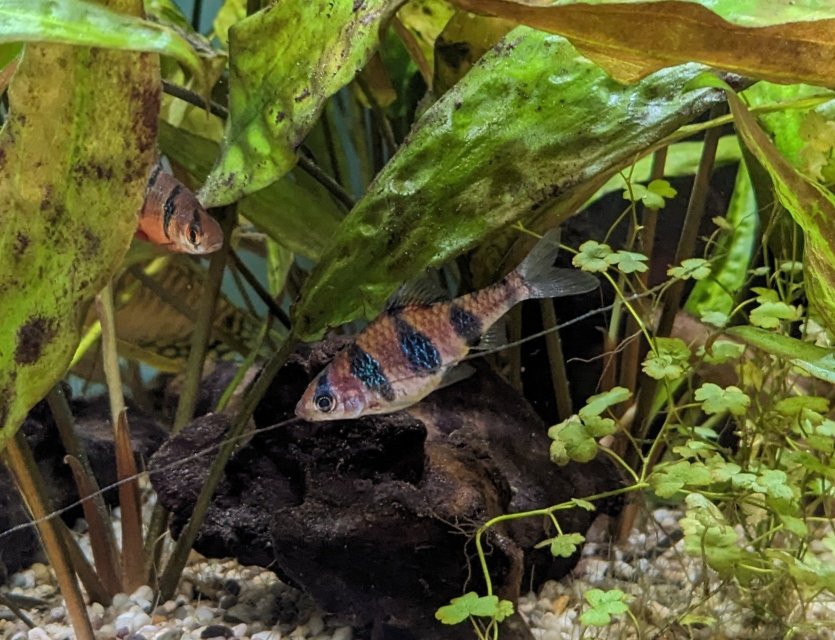
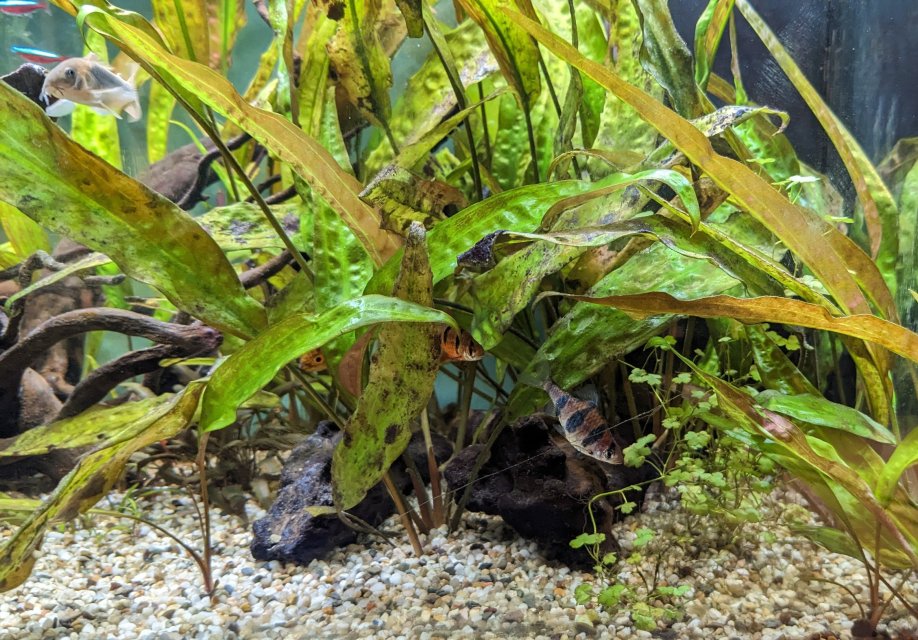
I initially had ten five-banded barbs in my approximately one-year-old aquarium. However, five of them died unexpectedly at longer intervals. For some time now, I have noticed that a larger, more colorful barb always swims in the same shady spot in the aquarium. Now I am wondering whether this could be a sign of old age or whether the fish has a problem. In one picture, you can see it compared to another male barbel that looks like most of the others. You can see a clear difference. I'm unsure because the fish otherwise seems to be doing well and is eating well. However, I've only had it for a year. In the last picture, I could see a female fish that I think is very young.
PXL_20260111_162712168.MP.jpg

PXL_20260111_164604783.MP.jpg

PXL_20260112_175034239.MP.jpg

PXL_20260112_174207024.MP~2.jpg
 
I would expect to get three or four years out of a Banded Barb.

Of course when you buy fish, the age of the fish isn't typically known, unless they are juveniles.
You might have bought fish that were already a year or two old.

Another life shortening factor is the possible exposure to medications prior to purchase.
Certain medications such as copper sulfate, can be really hard on fish, resulting in a shortened life.

Another life shortening possibility is hormone infusion aka "juicing".

I hope things get better soon.
 
  • Like
Reactions: tlindsey and HUKIT
Agree with the above, most fish have a prime breeding seasonal time and ages where they are most vital, where their colors are most intense, where they are attractive the most mates.
Beyond that time, their colors tend to fade, become prone to infections, and loose territory (if species territorial).
For cichlids, or large growing tetras (like Machaca) and barbs (like tin foils) this may may be 3 to 5 or slightly more years of age.
IMG_9874.jpeg
The Machaca above and below are just begiining to come into prime at 10 inches
IMG_4028.jpeg

IMG_4062.jpeg
For smaller species like moderate size tetras, and smaller barbs, their peak might be at only 2 years.
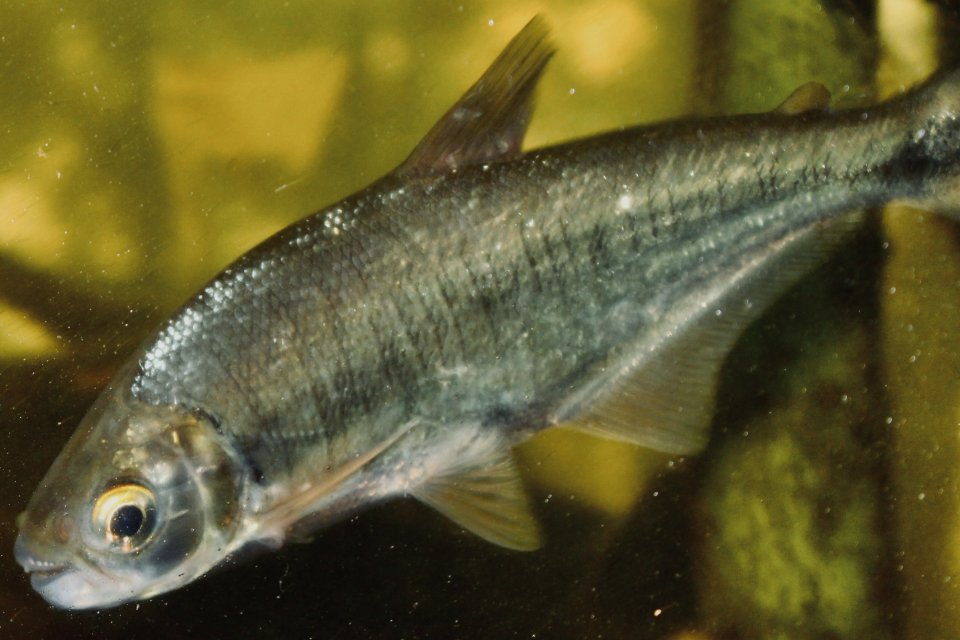
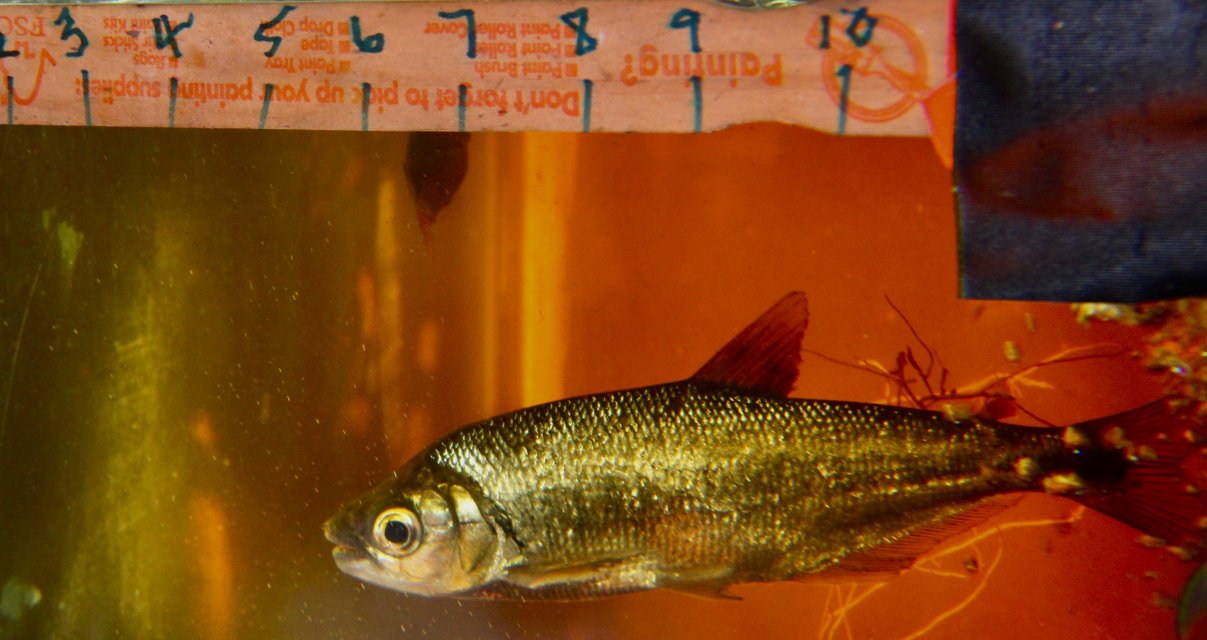
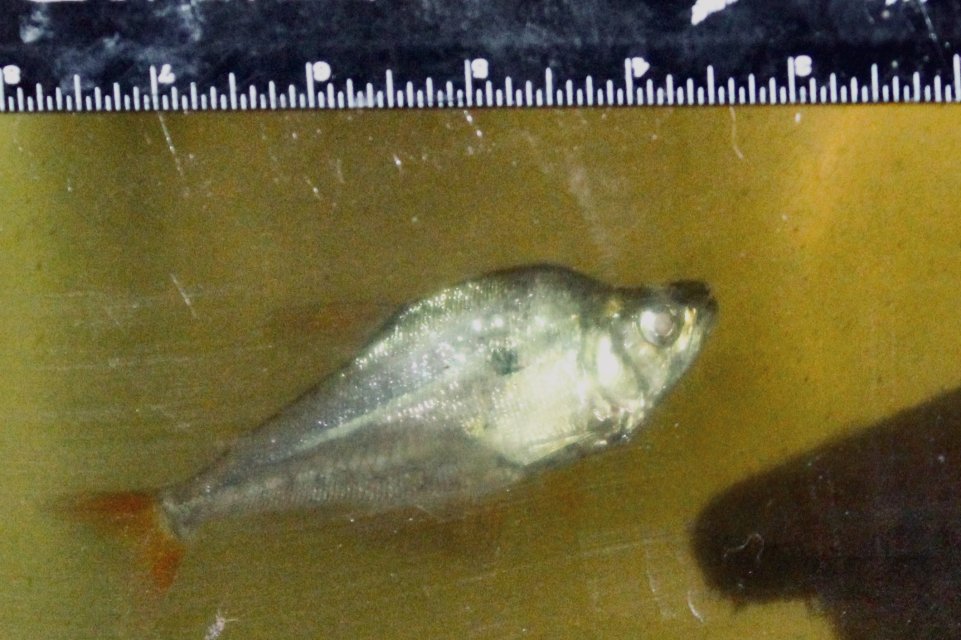
The Roeboides tetra below is already beyond its prime at 4¨, and has only been able to remain alive because its safe from predtadoes in my tank.
IMG_7504.jpeg
In nature, because is has become less quick, it would have been eaten by a predatory bird, or reptiles.
or succumbed to a myriad of parasites that are simple irritants will ypung and vital, but become lethal as they age.
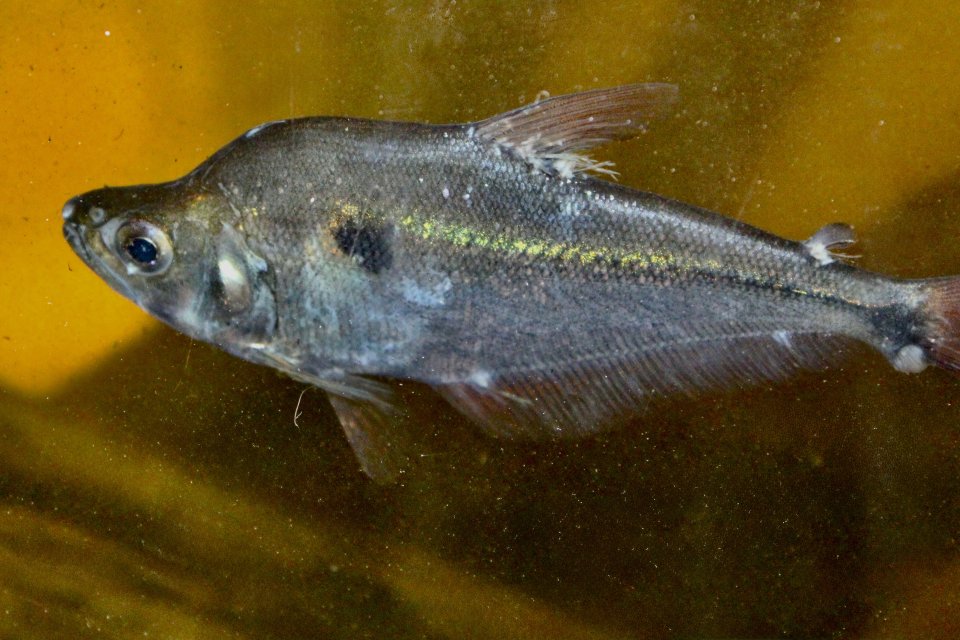
IMG_9293.jpeg
There is a Lernaea parasitic crustacean just behind the dordal fin of the recently collected tetra above , that commonly plagues cyprinids like barbs and tetras in nature.
To say nothing of birds that line the shore line., and tree tops.
IMG_0205.jpeg
IMG_0208.jpeg
Most small fish barely make a year.
 
  • Like
Reactions: tlindsey
320bad04-a569-4d7e-aa66-e8d26f9505e1.jpeg
The cichlid above was just collected in the pic from next to the river, note the stomach (slightly concave,
Below the same species, after being in a tank a while.
IMG_4530.jpeg
I tend to ¨not¨feed every day, (usually once per day fo 2 days, then one day off, with no feeding at all) and still the belly is more round (in theory more healthy)
But some times I wonder,, if I even feeding as much as I do, is too much.
Could theybe more healthy if I fed less, similar to the way they eat in nature?
Does feeding that much food, actually shorten their life span?
9a363f90-85a7-49e8-ba47-abe8eab213bb.jpeg
Here are 2 species I cought last Saturday, not emaciated, but definetly not fat, like the bellies seen on many aquarium fish.
In answer to your question, its all a mystery.
But judging by what I see collecting in nature, getting 2 or 3 years from a barb, or a tetra, is a very long life.
Getting more than 5 years from a cichlid, is Methuseila.
 
  • Like
Reactions: tlindsey
I'm not addicted to cichlids as many seem to be, but I don't think that 5 years is extraordinary at all. As long as captive fish are given decent care, good water and nutrition, and lots of space...not merely "barely adequate" tank sizes...I think we should expect longer lifespans in our aquariums than the fish would typically attain in the wild.

The relatively few species of medium-to-large cichlids I have kept...Oscars, Midas/Midevils, Managuense, Uarus, Firemouths, Viejas, Buttikoferi...have all proven capable of living much longer than five years. Even the first species I bred...Egyptian Mouthbrooders, super-exotic at the time, at least to me...could easily reach 5 years and sometimes longer. Certainly, breeding seems to peter out long before advanced age, but in a predator-free and clean disease-free environment, the animals can continue alive and relatively healthy for years after they cease to produce young. They've stopped contributing to the gene pool, and serve no function to the species, but given half a chance they can just keep on keeping on...

I think that larger growing fish species generally live longer than the little tiddlers, but many small barbs, tetras, etc. seem to have no problem living at least 4 or 5 years. Catfish seem to generally be long-lived; I've had Common Plecos over 8 years old, and even Corydoras paleatus (or whatever they are calling them this week...) have hit 10 years for me with several specimens that old. Those old cats didn't even seem to be slowing down significantly until very near the end; they gave the impression of being perfectly capable of surviving even in the wild, and suddenly declining and dying within a very few weeks.

Feed sparingly...change water before it "needs" to be changed...give them half a chance and fish will live a long time. Most aquarium fish will fall prey to some mishap or equipment failure or introduced disease or aggressive tankmates...or just to increased stress brought about by one or more of those things...long before they fade away. Watching a fish gradually wane after a long life is sad, but it's also very heartening as it indicates that you managed to do most things right...and managed to avoid committing most of the common errors.
 
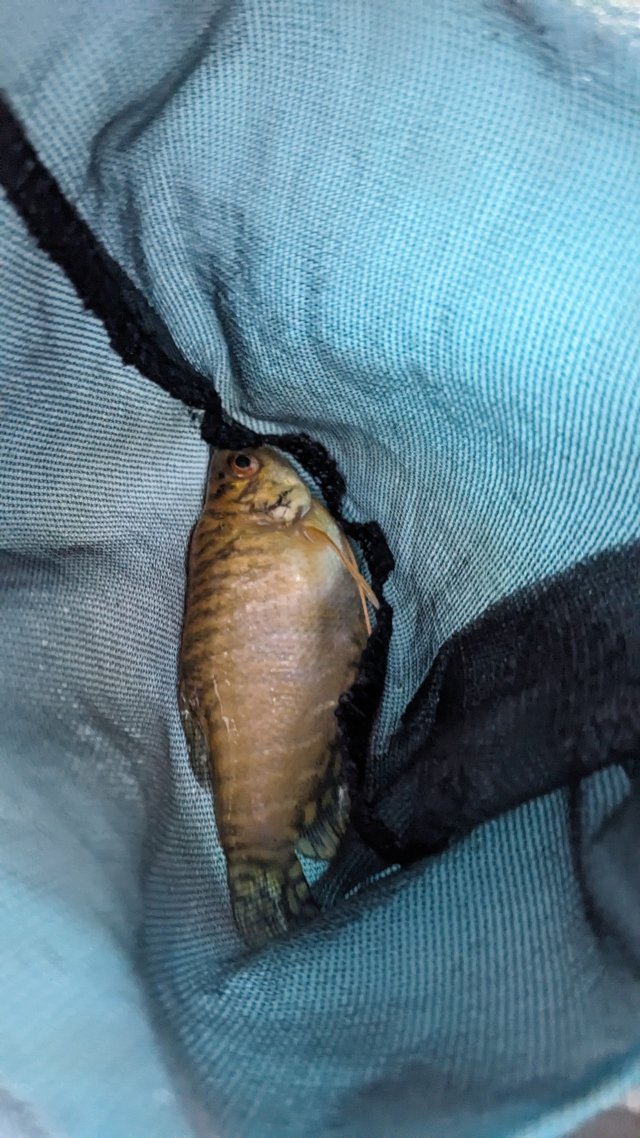
I'm really a beginner and only understand half of it, but I think I've understood the most important points. Thank you very much! But I think that after a little over a year, 8 out of 26 fish have died, which is not normal, right? It's especially demotivating that it always happened very quickly and I didn't notice anything beforehand. Of the 8 deaths, 5 were five-banded barbs. I was told it could be due to constant stress from very hard water. I photographed the last dead fish. I noticed that it was very fat. In addition, it was mainly female barbs that died. In the case of the gourami, it was probably due to the other fish, which caused it constant stress. Unfortunately, I didn't know at the time of purchase that my tank was too small. In general, it's demotivating. I thought feeding and changing the water was all there was to it. But now I have to pay attention to everything, and it seems impossible to do everything right. I also had a serious diatom problem for a long time because no one told me that you have to fertilize. Somehow, everyone at the pet store says something different.

PXL_20260110_090014088.MP.jpg

PXL_20251228_105609834.MP.jpg
 
  • Like
Reactions: HUKIT
MonsterFishKeepers.com