

Quarantine New Fish
- Thread starter H]-[H
- Start date
You are using an out of date browser. It may not display this or other websites correctly.
You should upgrade or use an alternative browser.
You should upgrade or use an alternative browser.

Yes, as I said previously it really boils down to how much one is willing to risk.
I know a person that had a 2,000 gallon SW set up, with marine fish that were as large as dinner plates, some over a decade old, and many delicate hard to keep species. This is not even accounting of the monetary value of his fish. His QT routine was 6 months before anything was cleared to go into his display tank. That's from a fish keeper that's been involved in the hobby for close to 70 years. Extreme? I don't think so.
I know a person that had a 2,000 gallon SW set up, with marine fish that were as large as dinner plates, some over a decade old, and many delicate hard to keep species. This is not even accounting of the monetary value of his fish. His QT routine was 6 months before anything was cleared to go into his display tank. That's from a fish keeper that's been involved in the hobby for close to 70 years. Extreme? I don't think so.
Okay perhaps I should have clarified lol. 6 months to QT a saltwater fish that is going in with $5000 of 10 yr old fish, no thats not extreme. 6 months to QT a $35 freshwater cichlid that is going in with the other cichlids, yeah kind of extreme.
Like I said though it's all just common since. For most "average" hobby fish keepers 3-4 weeks is plenty ample. There will always be exceptions to any rule though as you just described.
Like I said though it's all just common since. For most "average" hobby fish keepers 3-4 weeks is plenty ample. There will always be exceptions to any rule though as you just described.
Hello; Already answered. Clorox solution.So the safest way is to destroy/rid of equipment/tanks that were in contact with sick fish?
Hello; yes.So IMO QT is the only way to go because it's not a matter of "if" but rather "when".
QT a saltwater fish that is going in with $5000 of 10 yr old fish, no thats not extreme
Hello; So the more a fish costs the longer the QT? Interesting. I QT the $1 specials I sometimes buy. When I looked at this thread the expectation was to find a range of QT practices but the cost of fish was not exactly an expected criteria. I do get that it makes sense to be very careful with a tank of expensive fish.6 months to QT a $35 freshwater cichlid that is going in with the other cichlids, yeah kind of extreme.
In addition to trying to avoid introducing a disease or parasite into an established tank, I QT so if treatment is needed it is so much simpler in a bare QT tank. Also the QT tank is often smaller than main tanks so less treatment chemicals are used.
Hello; Also of interest. To me it is the control of disease & parasites that determine to length of the QT. The last batch of fish I bought were in QT 6 + weeks. Over the decades I have increased the QT time a lot.most "average" hobby fish keepers 3-4 weeks is plenty ample.
Don't over analyze what I said. Cost of a fish does not determine the length of time it needs QT I'm sure you know what I meant, I'm simply saying people will obviously be extra careful with a fish that cost an arm & leg. Again just simple common sense stuff not that hard to figure out.
If 6+ weeks works for you that's fine, do what makes you feel secure before you take a fish out of QT. I'm simply saying that the majority of common fish illnesses will show up rather quickly and 2-3 weeks is the normal time frame to QT for most people. The majority of people in my cichlid club here QT for 2 weeks, I do 3 just to err on the side of caution and that is ample IMO.
If 6+ weeks works for you that's fine, do what makes you feel secure before you take a fish out of QT. I'm simply saying that the majority of common fish illnesses will show up rather quickly and 2-3 weeks is the normal time frame to QT for most people. The majority of people in my cichlid club here QT for 2 weeks, I do 3 just to err on the side of caution and that is ample IMO.
Most dictionary's refer to "a period of 40 days " when defining the word quarantine.
An interesting article on this subject, including comments from a couple of world class experts in their field. (once you get past the initial goldfish story)
http://www.tfhmagazine.com/aquarium-basics/columns/quarantine.htm
An interesting article on this subject, including comments from a couple of world class experts in their field. (once you get past the initial goldfish story)
http://www.tfhmagazine.com/aquarium-basics/columns/quarantine.htm


Quarantine is a great habbit to get into doing but like said above, using some common sense is really important.
In my most recent case I avoided qt the new arrivals for the following reasons.
1. No addition tank setup and ready to go.
2. Main tank is small enough to treat if required and only had one fish in there already
3. The new fish came from a good friend and he has had these fish for a long time with no issues
4. I understand my risks involved and have all meds for treatment available if something pops up.
5. I feel like the in this case the fish have a better chance to adjust and undergo less stress by simple going to the main display.
While in my situation is doesn't make much sense to quarantine it's still very important to stress that I know there is a risk and while likely small it does exist.
Situations are always different, sometimes qt is a must and other times it's simply not.
In my most recent case I avoided qt the new arrivals for the following reasons.
1. No addition tank setup and ready to go.
2. Main tank is small enough to treat if required and only had one fish in there already
3. The new fish came from a good friend and he has had these fish for a long time with no issues
4. I understand my risks involved and have all meds for treatment available if something pops up.
5. I feel like the in this case the fish have a better chance to adjust and undergo less stress by simple going to the main display.
While in my situation is doesn't make much sense to quarantine it's still very important to stress that I know there is a risk and while likely small it does exist.
Situations are always different, sometimes qt is a must and other times it's simply not.
This is typically the #1 reason when folks do not QT.
1. No addition tank setup and ready to go.
1. No addition tank setup and ready to go.

A persona; experience.
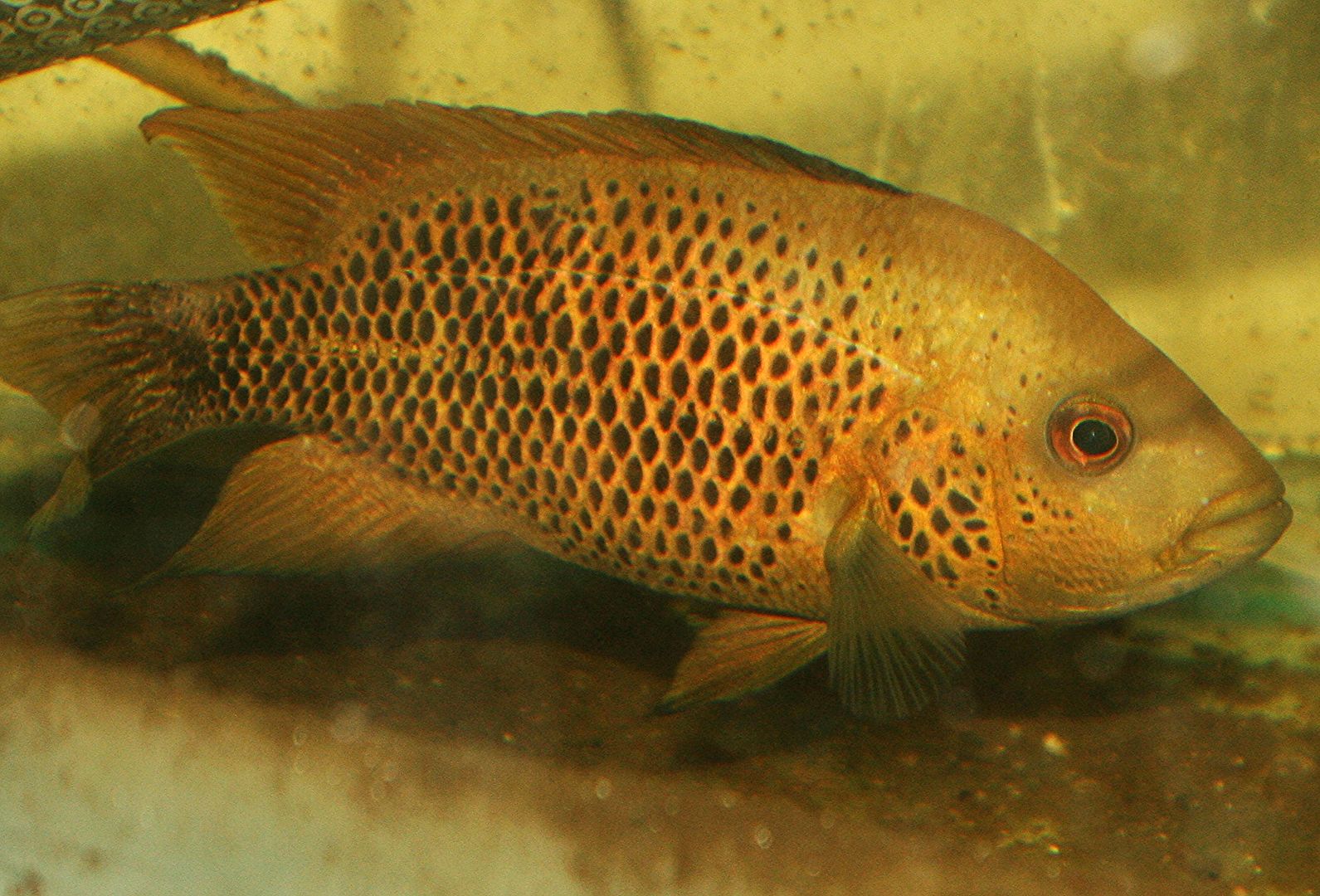
I acquired 3 Mayaheros beanii a number of years ago, all 3 looked good, for over a month, then one started deteriorating.
I was told (later) they had previously been in a tank where one fish had died of columnaris.
Within a month all 3 beanii were dead, so I dried out the tank, (but having been my 1st experience with columnaris) no other serious sterilization.
After a few months picked up some new fish, and into that tank they went.
Within another month, these new fish showed signs of columnaris, and were dead from it, or euthanized to prevent any cross contamination of other tanks.
I then bleached the entire tank, and any gear, and let it all sit outside for an entire Wisconsin winter.
Most of the fish I keep are/were hard to come by (not necessarily expensive) but not easily acquired. So these losses were not your every day, LFS species, sometimes months even years wait to find them.
At first normal appearance
later
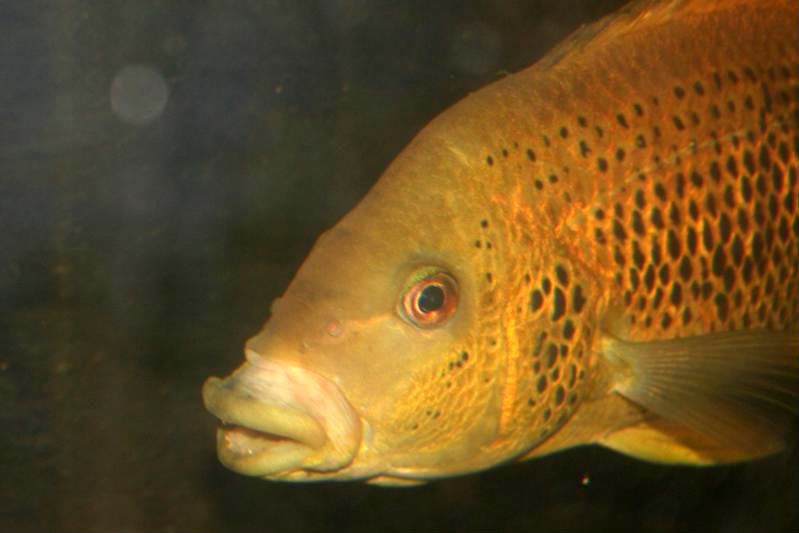
then dead, and took a number of other fish along for the ride.
And as the article said, other wise healthy fish in the stressful process of transportation, or being added to a new environment can succumb to otherwise opportunistic infections, and in a closed system, become epidemic.
I acquired 3 Mayaheros beanii a number of years ago, all 3 looked good, for over a month, then one started deteriorating.
I was told (later) they had previously been in a tank where one fish had died of columnaris.
Within a month all 3 beanii were dead, so I dried out the tank, (but having been my 1st experience with columnaris) no other serious sterilization.
After a few months picked up some new fish, and into that tank they went.
Within another month, these new fish showed signs of columnaris, and were dead from it, or euthanized to prevent any cross contamination of other tanks.
I then bleached the entire tank, and any gear, and let it all sit outside for an entire Wisconsin winter.
Most of the fish I keep are/were hard to come by (not necessarily expensive) but not easily acquired. So these losses were not your every day, LFS species, sometimes months even years wait to find them.
At first normal appearance

later

then dead, and took a number of other fish along for the ride.
And as the article said, other wise healthy fish in the stressful process of transportation, or being added to a new environment can succumb to otherwise opportunistic infections, and in a closed system, become epidemic.
The main aquarium can still have pathogens and even after 2 months in qt the fish being moved can become just as stressed or more so then it was originally when brought home. Then the weaken fish now in the main aquarium where pathogens exist if now at risk and can become sick.
Just because you qt doesn't ensure 100% that the fish won't become ill in the main tank
Just because you qt doesn't ensure 100% that the fish won't become ill in the main tank
