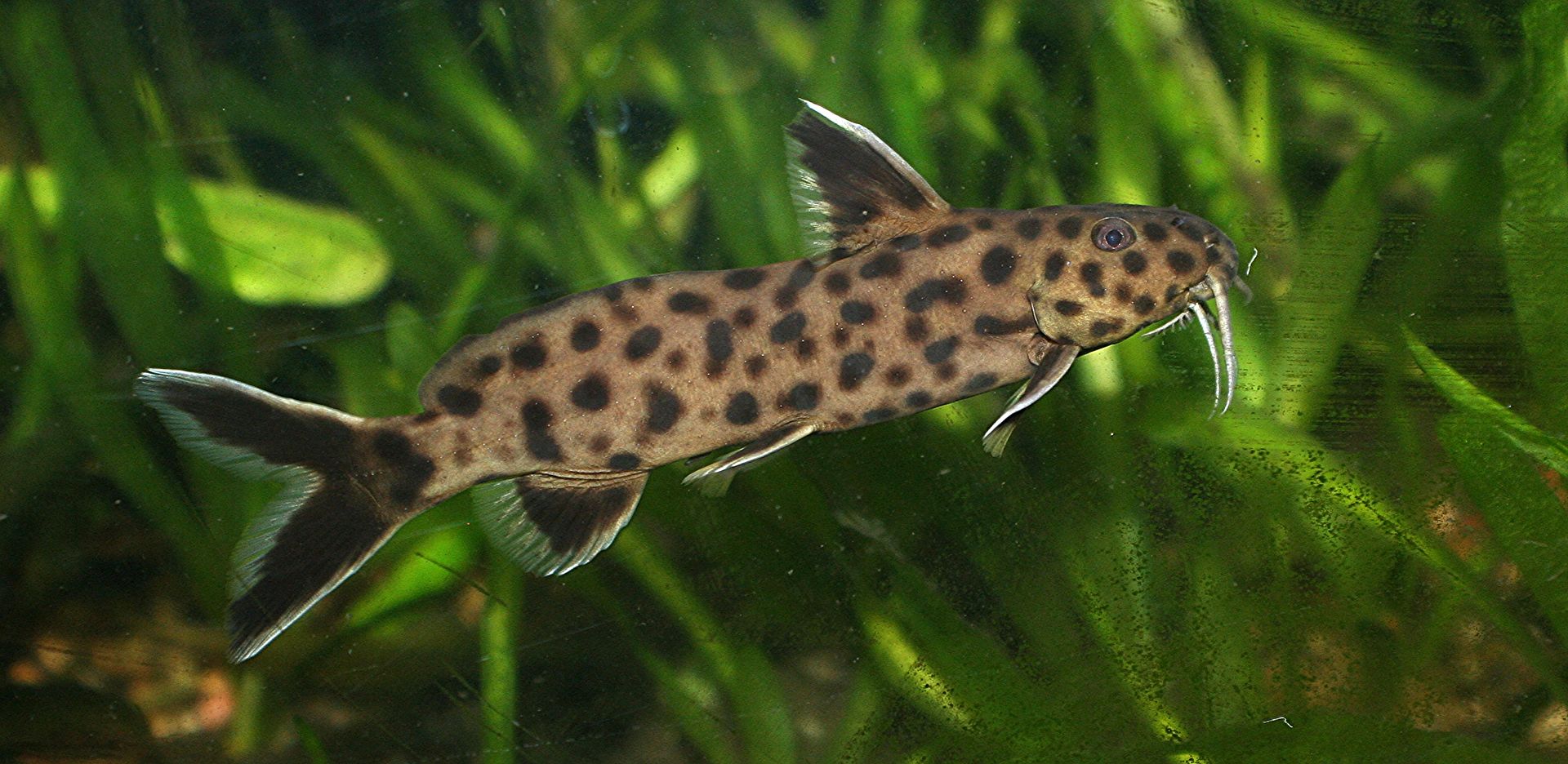
There is a LOT of conflicting information regarding spot sizes, shape, etc-etc, but the way to tell with certainty is twofold, as adults S. lucipinnis stays smaller on average only reaching 3-4" total length, where S. petricola can reach lengths of 5-6" total length. Secondly, S. petricola has an axillary pore and S. lucipinnis does not. The axillary pore is an opening that is located between the base of the pectoral fin spine and ventral margins of the humeral process, I don't believe that anyone knows what it's exact purpose is, but clearly one species has it, and the other does not. Probably 99% of the cats sold as S. petricola over the years, are actually S. lucipinnis. I don't believe that the former has even been bred in captivity. If they have, it's a rare event, whereas millions of people have bred S. lucipinnis.
One thing to note, mbuna can be very aggressive/territorial little monsters when they become sexually mature, and some species of synos may be better suited to your tank than others. I would think that the smaller species would be ignored for the most part, where as some of the larger species might get fin nipped, or worse.



 [/URL[URL=http://s70.photobucket.com/user/dstuer/media/Lepido/021-1_zps5d8d4405.jpg.html]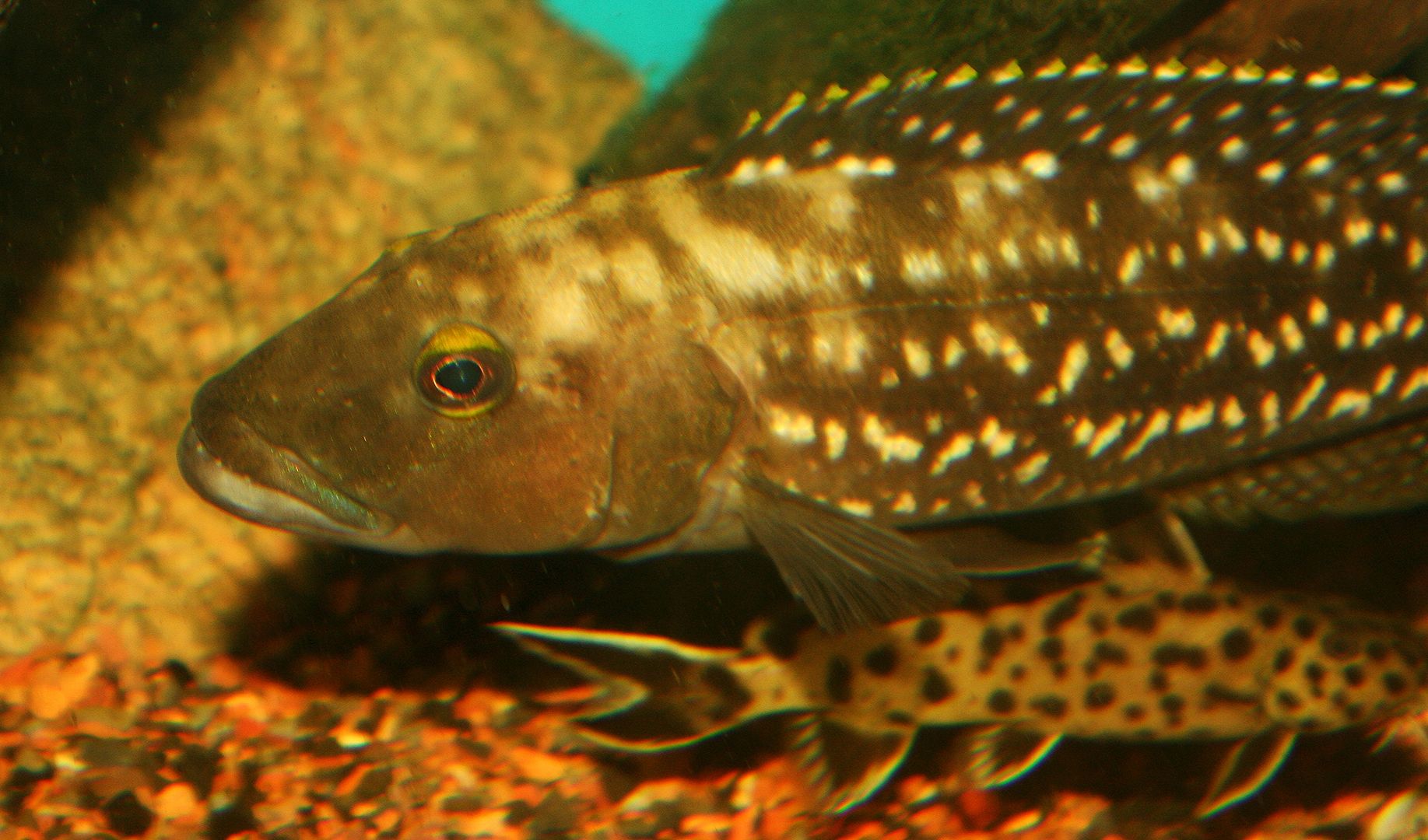
 [/URL]
 [/URL[URL=http://s70.photobucket.com/user/dstuer/media/Lepido/021-1_zps5d8d4405.jpg.html]
 [/URL]


