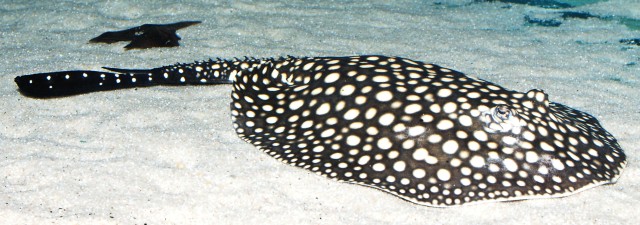
questions on galaxy ray tail shape..

  • We are currently upgrading MFK. thanks! -neo
Captive breed Itaituba Ray (or P14) show both tail shapes. In wild ones the tip of the tail is mostly not complete so you can not see what shape they have.
Pictures show two males second generation breed from wc grandparants.
These rays are breed from the same pair.
1206-Lucky.jpg

1206-Lucky-tail.jpg


1206-Robin.jpg

1206-Robin-tail.jpg

You can even see the small denticles at the top finfold, ever seen in other ray species?
 
Anders: it was more of a general statement for threads like these, who often seem to end up discussing single traits :). I know that there are more differences between leopoldis and p14s. The difficulties with the Potamotrygonidae family is that some species might have variation in other traits than just coloring within the species, hence the carefulness in the description of new species... i would really welcome a huge DNA analysis of all south american rays, if someone would fund it, since almost all species are described only using morphological traits :P
 
Captive breed Itaituba Ray (or P14) show both tail shapes. In wild ones the tip of the tail is mostly not complete so you can not see what shape they have.
Pictures show two males second generation breed from wc grandparants.
These rays are breed from the same pair.
1206-Lucky.jpg

1206-Lucky-tail.jpg


1206-Robin.jpg

1206-Robin-tail.jpg

You can even see the small denticles at the top finfold, ever seen in other ray species?

Really nice rays, hope my small p14s will turn out like that :)
 
MonsterFishKeepers.com