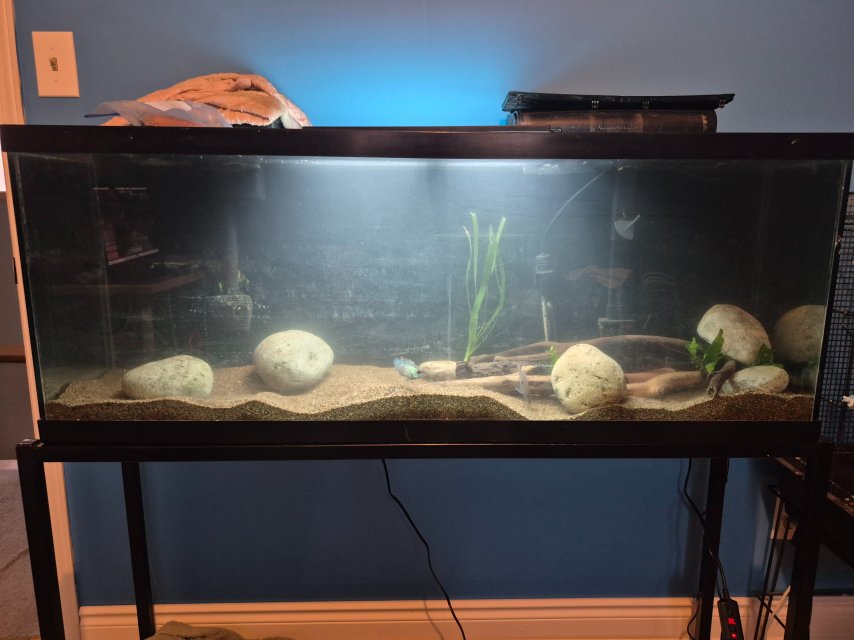
About 10 seconds in: "Here (Heros) are found in a branch tangle in the deeper, faster water in the creek itself." The notion that Heros are restricted to slow water is incorrect.
Last edited:

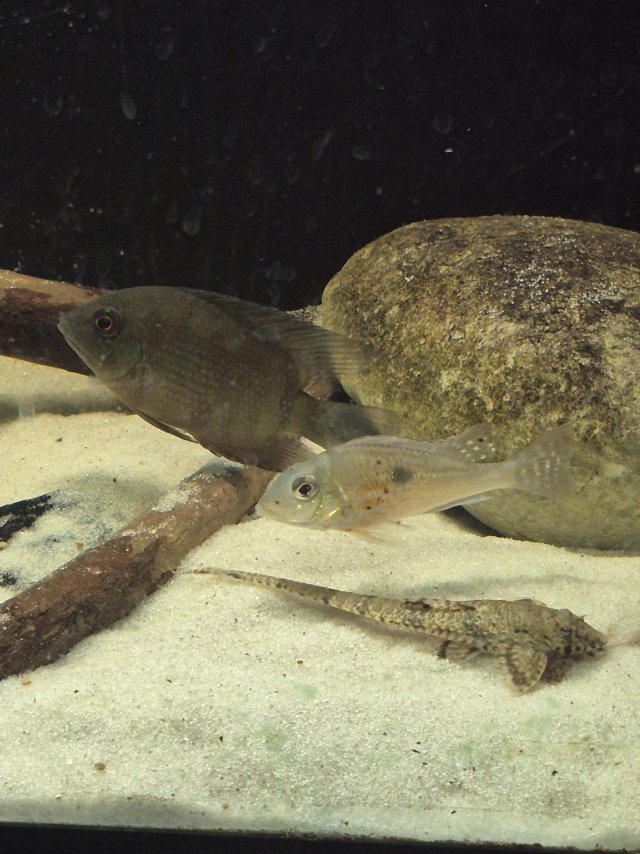
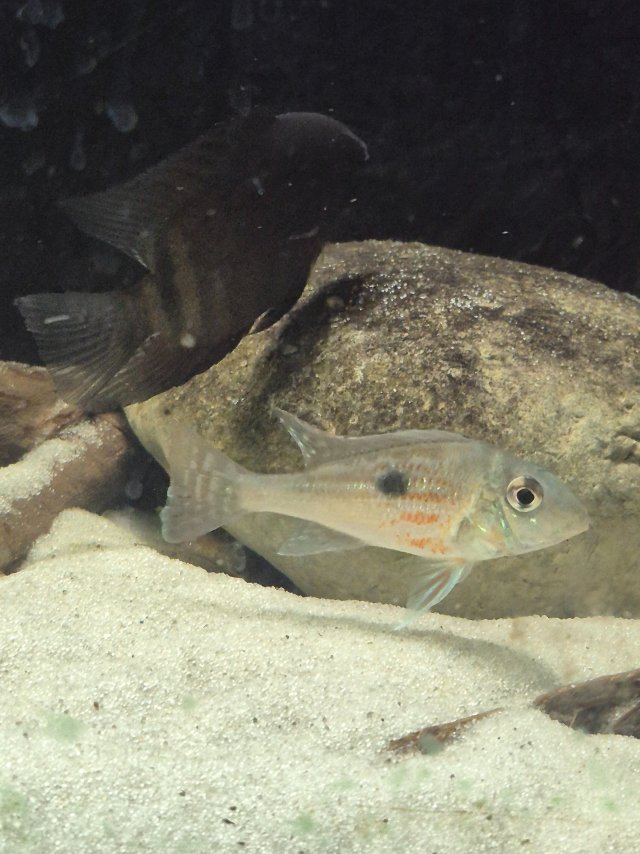

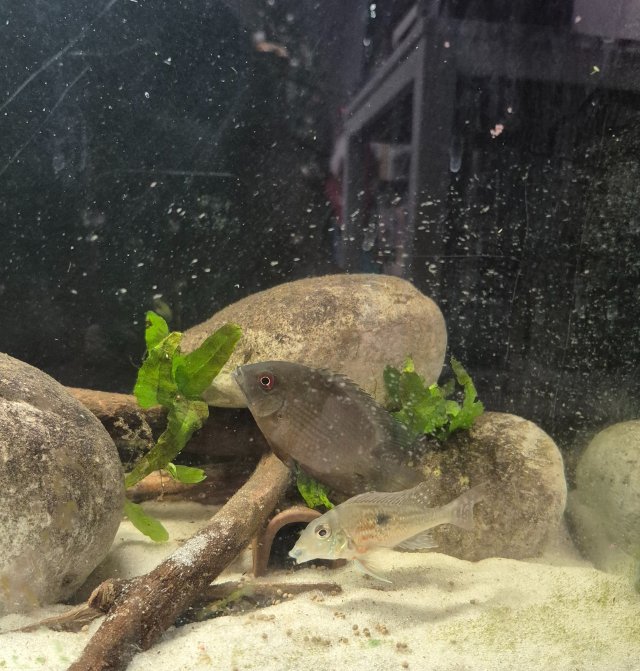
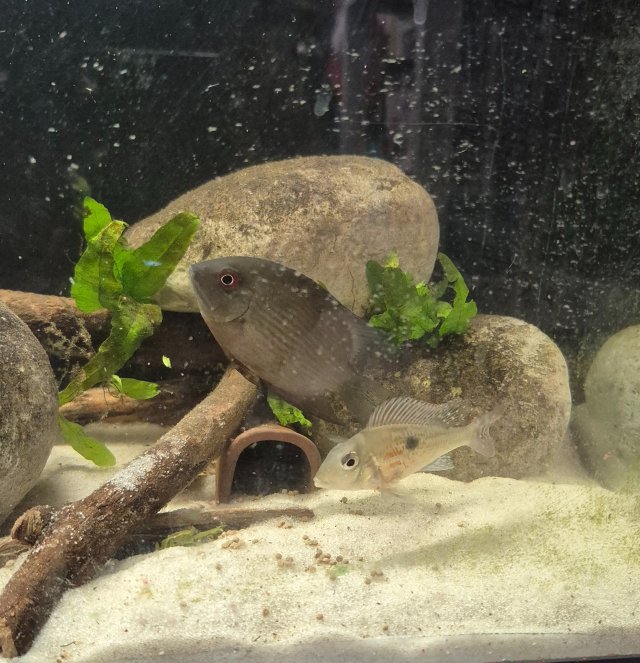
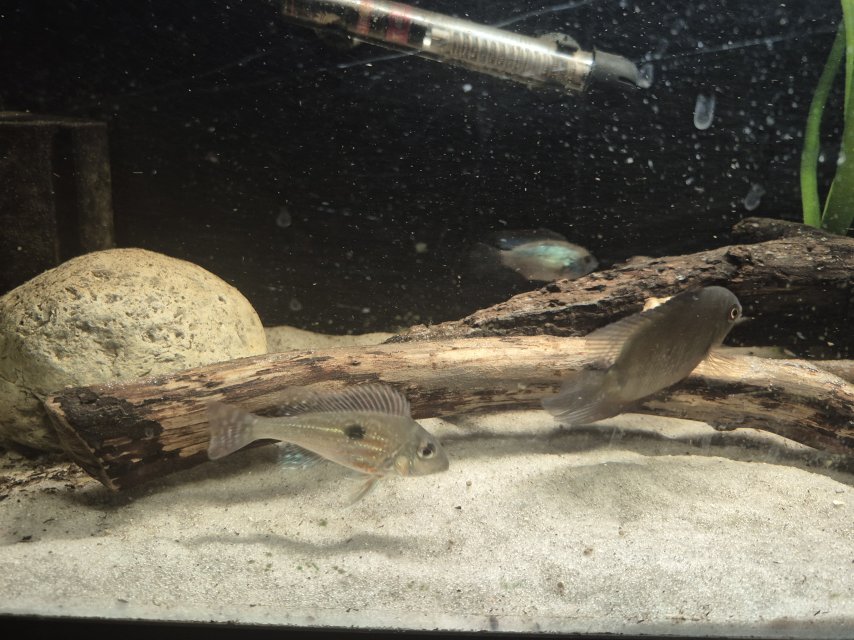
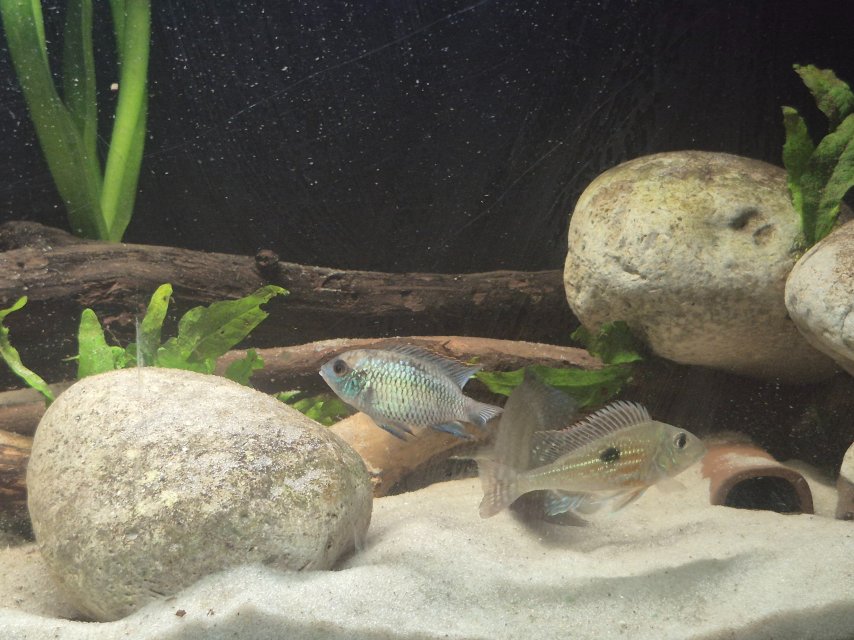

Although many Geophagines are social, some are not.
Those from the Geophagus brazilirnsis clade are some that are not.
So until you can determine which species it is, living solo is not a bad way to go.
View attachment 1568687View attachment 1568686
Above is Geophagus iporsngensis, one of the braziliensis clade, found in cooler, southern waters near sub tropical Rio, and iis very similar in temperament to the loner cichlids of Central America.
It survives in harder alkaline water than the social, soft water geos of of Amazonia and northern S America.
Mine did well as a mated pair, in hard, 7.8 pH water and were quite aggressive, especially when spawning
View attachment 1568688View attachment 1568689
Yes, absolutely; it's amazing how most of our standard aquarium species can adapt, thrive and breed in a wide range of pH, hardness/softness, temperatures, etc...and yet it seems to be a trend now to fret about flow rate as if only a very specific amount of water movement will provide comfort to the fish. In a natural situation it would be easy to find 2, 3 or more species of fish found living side by side in a stretch of water, but whose feeding strategies keep them in completely different rates of flow. A pelagic species or a bottom feeder in open areas would be exposed to the highest rates of flow, but other species living an ambush predator lifestyle would spend the vast bulk of their time in a slack water micro-environment in the lee of a rock or other obstruction, from which they would periodically launch attacks on nearby prey items.We need to get off certain stereotypes for fish habitat, the truth is many of the widely distributed types can be found in variable biotopes, which is why they've been successful in the hobby for many decades. Another truth is some of the fish we might keep as one or two (example: severums), or even six in a tank (examples: geos, angelfish, discus), travel in much larger groups in the wild.