The interesting post by
T
thiswasgone
is chock full of information; to me its main value is illustrating another subset of aquarists: the mathematicians. Just as there are many who live for the gear, there are others who derive satisfaction and pleasure from the number-crunching and the hard science. It's not enough to simply build a system that works as intended; some of us need to know how and why it works to the 10th decimal place. If a post like this were presented to a relative beginner in the hobby, I suspect there would be a fair chance of the reaction being "Wow! I had no idea...I think I'm just going to get a hamster..."
I don't mean this as any kind of slight, either. If that's what makes an aquarist happy, well, that's the whole point of a hobby. Fill your boots!
If your stock + feeding schedule/amount doesn't really add that much waste into your system do you really need the most efficient nitrifying system? Can you stand hearing an air pump 24/7? There are a pleathora of other questions you need to ask yourself that only you can answer.
But, IMHO, the paragraph highlighted here ^ contains the most useful and practical info. Ultra efficiency is never required, although it may be desired for its own sake. And the definition of efficiency must also include other factors than those listed; cost, utilization of space, ease of maintenance, lots of others. If media A can do the same job as media B, taking up only half the space, is it more efficient? What if it costs twice as much? Does that tilt the balance? How about if each medium requires the same amount of cleaning...but one weighs 5 times as much as the other and is therefore more difficult to handle? All of these things are more important to me, and likely to many aquarists, than much of the info presented throughout that post. That stuff is academically interesting but not really useful in a practical sense.
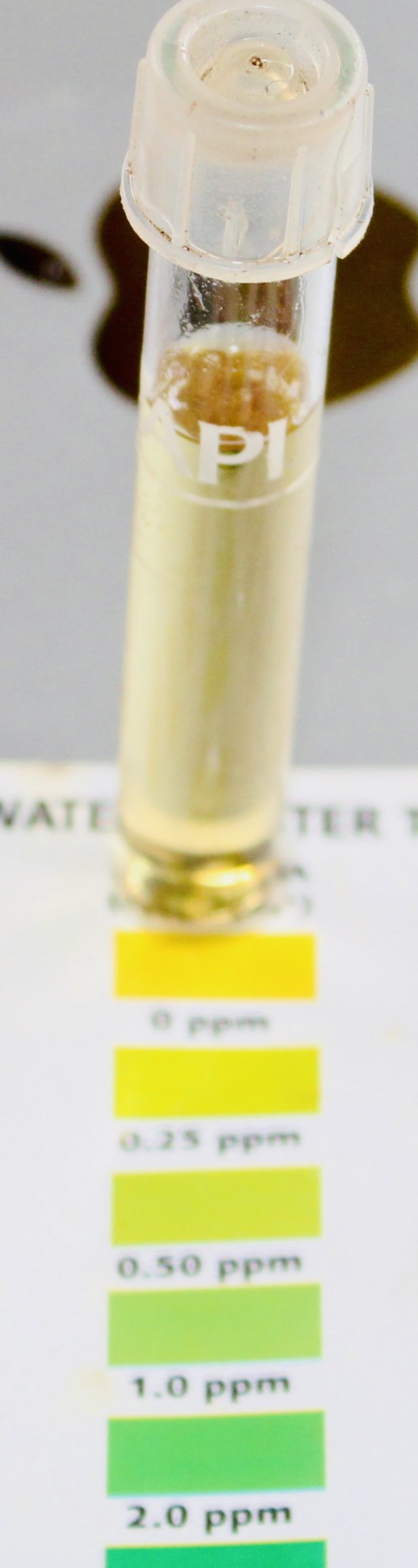
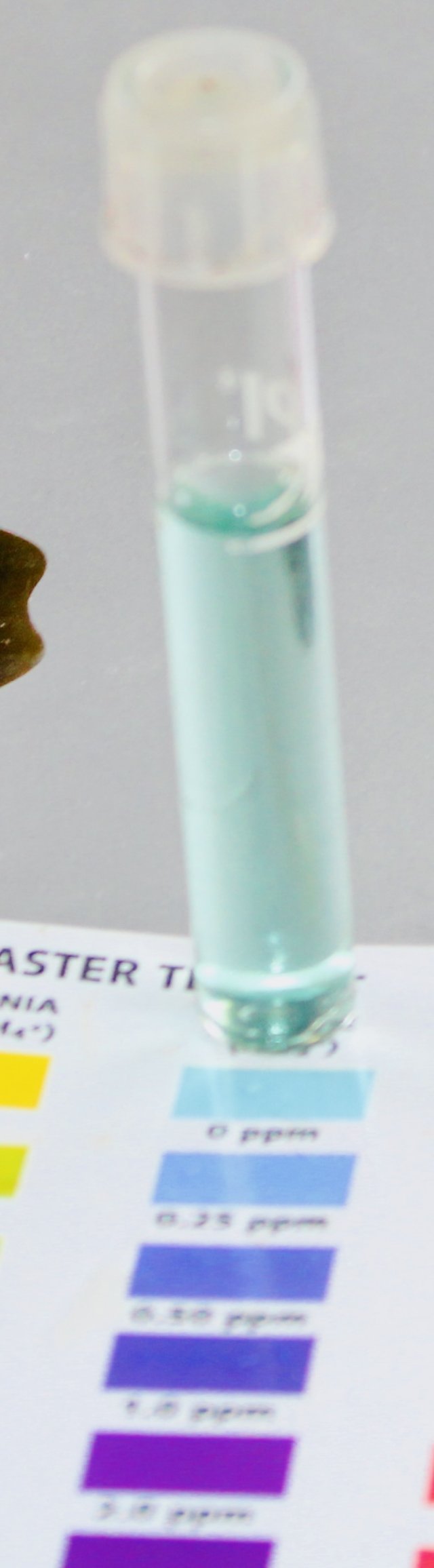
But, if we are talking about efficiency in terms of which medium does the best job...and the job is simple, the medium just acts as a substrate for the bacteria...then why not perform a simple experiment that anybody can set up easily and quickly, no calculation even required. Take a functioning mature tank you already have, and test the water for ammonia to get a baseline value...which hopefully is zero. Keep everything as it is, don't change the stock, the feeding schedule, the water change schedule, nothing...just keep on keeping on.
Then remove a percentage of the biomedium you are using; again, doesn't matter what that may be, and it doesn't matter how little or how much you remove, within reason. For the sake of simplicity, let's say you remove 10%. Continue on otherwise maintaining the tank as per your normal routine. Do your water tests.
You'll quickly realize that removing that much of the medium has done...exactly nothing. The bacteria that have been removed will quickly be replaced, likely within hours. So, wait a few days...do it again...and continue watching and testing.
It's impossible to predict exactly how far you can go with this; too many variables in bioload to predict, too much variation in the available surface area in the tank itself on the substrate, the plants, the walls, etc. But it's a safe bet that much...or most, or even
all...of the dedicated biomedium can eventually be removed without adverse effects on the function of the tank, i.e. having ammonia begin to show up in your tests.
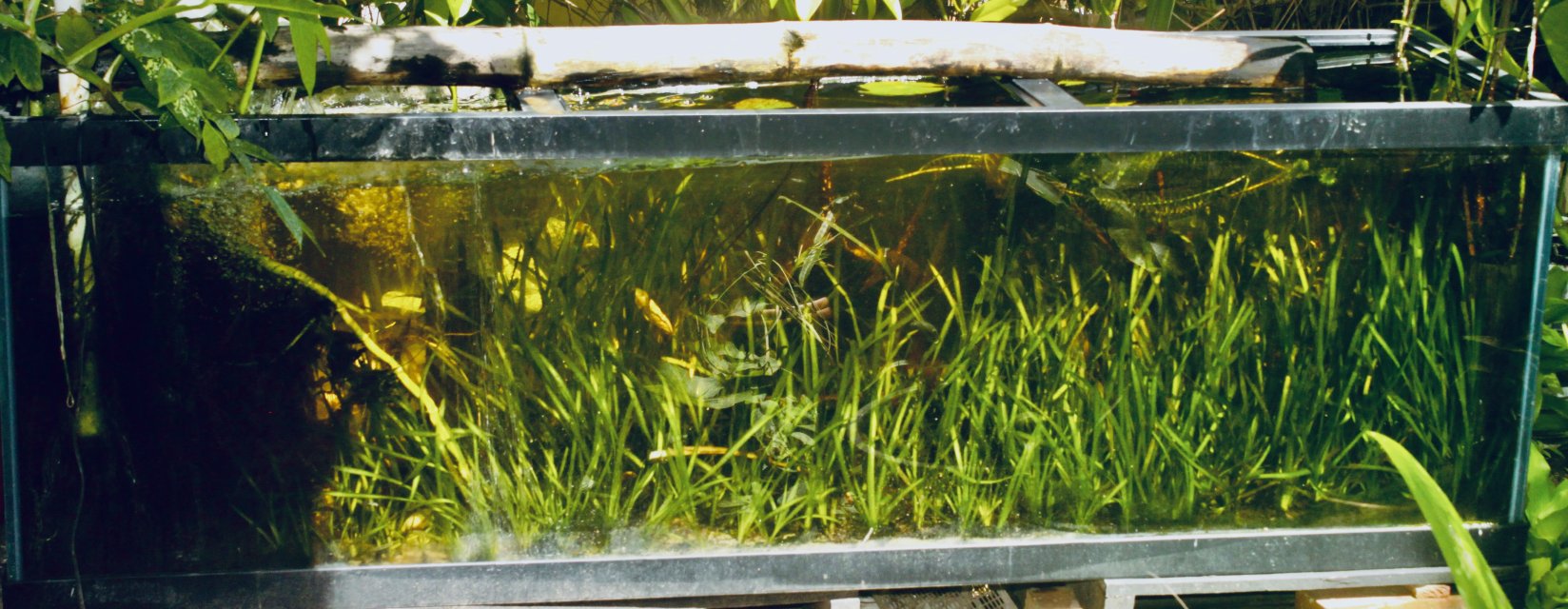
I've done this experiment on more than one occasion, originally starting out more or less accidentally but later in a more controlled way. Even in a completely bare tank, my fairly sparse stocking levels withstood the removal of
all of the biomedium with zero ammonia being evident afterwards. I had to push it to stupid levels of abuse...vast overfeeding, or an increase in stocking/bioload, or removing 75% or more of the biomedium all at once...before any ammonia ever showed up, and that would disappear within hours.
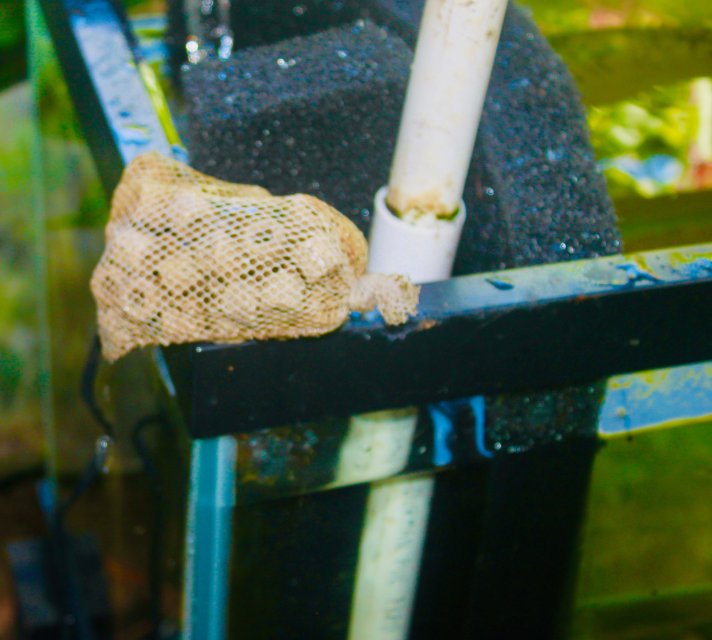
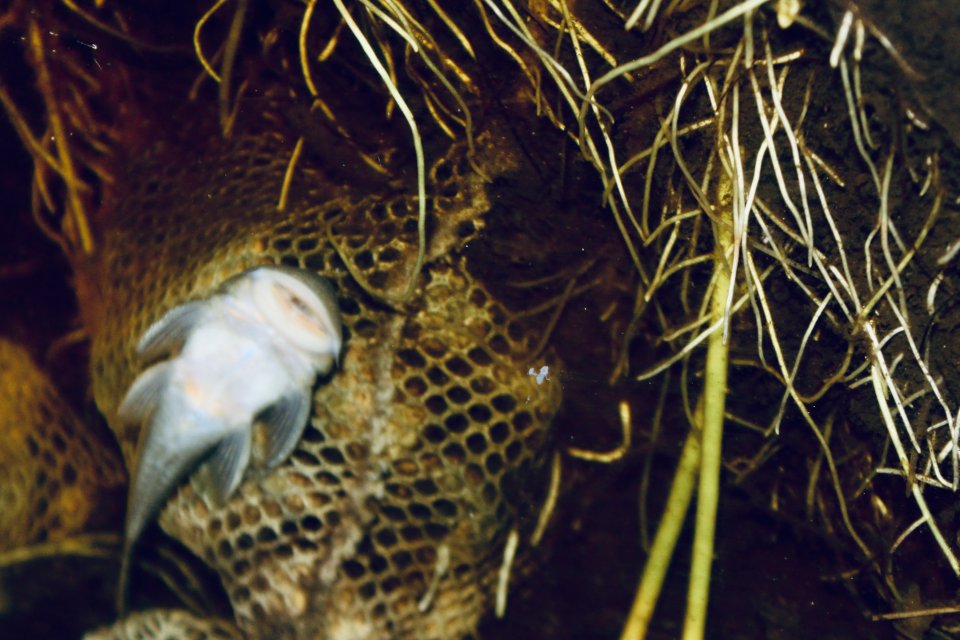
I certainly do keep biomedia, usually in the form of sponges, in all my tanks. I can remove a sponge filter and plop it into a new tank for an instant cycle, a huge benefit. For fry, a giant mature sponge filter dropped into their tank is like a smorgasbord, a vast grazing field to be harvested for food particles. My biomedia is treated more or less like a giant sourdough culture; the culture is fed and nourished and maintained, and can be harvested to start other cultures whenever required or desired.
Another benefit of biomedia is simply keeping the bacteria concentrated in a controlled protected environment. A bare tank, with much or most of its bacteria colony living right on the glass, can take a beating from an overenthusiastic cleaning of algae from the glass.
So...you don't
need to ask yourself a "plethora of other questions" before building a filter...unless you just want to. No need to lose sleep because your filter isn't 99.9% "efficient". Virtually all of us have a vast excess of surface area for bacterial growth in all of our tank/filter systems right now. That is, by definition, good enough. Zero ammonia is zero ammonia, period. More filtration, or more efficient filtration, isn't better than "good enough". Your water won't be better; ammonia readings won't go below zero

; fish won't be healthier.
Relax...be happy...