

This is what im useing to cycle my tank hehehhhhhe
- Thread starter WckedMidas
- Start date
You are using an out of date browser. It may not display this or other websites correctly.
You should upgrade or use an alternative browser.
You should upgrade or use an alternative browser.
- Status
- Not open for further replies.
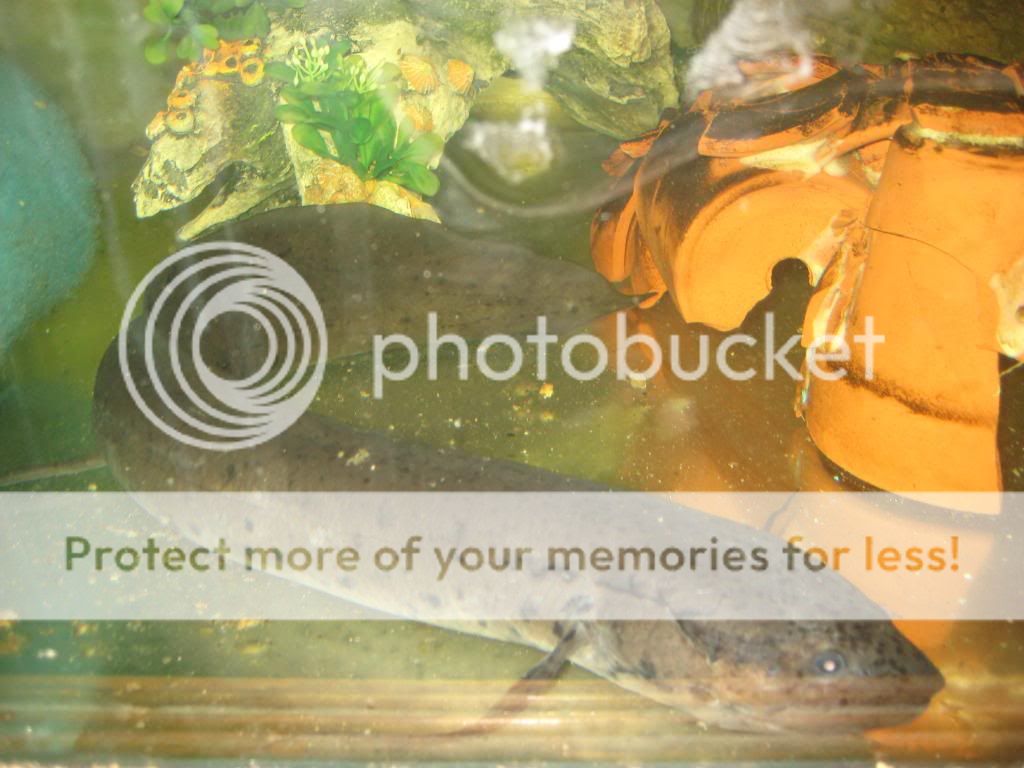




tanks been runing for almost two weeks. useing it to help build a bioload for when i get my real fishys. Just added the lungfish today
i plan on a breeding pair of fredys . red tiger mota, or festaes cant decide wich i want yet tho and a jurense catfish and a couple bichirs. eventualy
You don't need to subject that lungfish to the cycling process. This will lead to irreversible damage to the fish and it's internal organs.
Use plain ammonia instead for whatever bioload you plan on having.
Use plain ammonia instead for whatever bioload you plan on having.
again the tank has been filled with watter and running for almost two weeks. any new tank cycleing is done. Im just trying to build the bioload up now. Watter paramiters are fine. Its just like adding ur first fish to your tank. But instead of throwing a 3 inchs catfish or 1 inch cichlid in it. I put a 14 to 16 inch lungfish in it. it will produce more waste then one baby fishy. It breaths air. and comes from stinky dirty nasty swamps that dry up in the dry season. The lungfish is perfectly fine in there.
No, it is not perfectly fine.WckedMidas;4822653; said:again the tank has been filled with watter and running for almost two weeks. any new tank cycleing is done. Im just trying to build the bioload up now. Watter paramiters are fine. Its just like adding ur first fish to your tank. But instead of throwing a 3 inchs catfish or 1 inch cichlid in it. I put a 14 to 16 inch lungfish in it. it will produce more waste then one baby fishy. It breaths air. and comes from stinky dirty nasty swamps that dry up in the dry season. The lungfish is perfectly fine in there.
Give the fish back to your friend, and use something else (like a shrimp from the grocery store, or fish filet in a pantyhose) produce the ammonia.
Letting a tank run with nothing in it to produce ammonia does nothing but waste two weeks worth of time that you otherwise could have been cycling the tank.
Why would I lie to you? Give the fish back until it's properly cycled.
Here:
In case you are wondering exactly what "cycling your tank" means, here is a brief description (EDIT:: and by brief, I mean long-ish.)
When fish eat, they also poop (simple enough right?) Well, that poop eventually turns into a waste product called ammonia. Ammonia is very toxic to fish and causes the fish to be burned form the chemicals. So, if you have ammonia in your water, what do you do to save your fish from burns?
The first step of the cycling process is colonizing your filter with a type of bacteria that transform ammonia into nitrIte. NitrIte is also very toxic to fish. It competes in the gills for oxygen, and causes the fish to have blood poisoning (aka brown blood disease) and causes the fish to stress and/or die. Now, you have this problem of nitrItes in your water...what do you do?
The second step in the cycling process is colonizing your filter with another type of bacteria that uses the nitrItes and converts them into a less toxic form, called nitrAtes. NitrAtes will not do as much damage to your fish as the other two forms (ammonia and nitrIte) but as the levels increase, prolonged exposure to higher levels of nitrAtes can cause organ failure, stress, succumbing to illness or infection and ultimately death. So...you have these nitrAtes building up in your tank, what do you do to get rid of them, and at what level should you be concerned?
Once nitrAtes reach a level of about 20, I do a 50% water change. The absolute highest you want your nitrAtes to ever reach to avoid any possible side-effects is 40. You will want to continue to test your water periodically for ammonia, nitrIte and nitrAtes to make sure everything is working well.
You will know your tank has fully cycled and is ready for fish, when your test readings read 0-ammonia, 0-nitrIte and the appropriate number of nitrAtes. After fishless cycling, it is common for nitrAtes to be very high, and you will likely need to do quite a few water changes before the tank is ready for the fish.
Once your tank is cycled, and you have lowered the nitrAtes to the lower level, you can start by adding a small fish or two to see how things go. Give it a couple of weeks, then you can slowly increase your stocking level. (This also depends on what "stock-load" you used when preparing your tank in the amount of ammonia you use to cycle your tank, but I am too tired to get all into that, I believe there is a great article/post here on MFK, if you just search for it.)
It is highly recommended to have a quarantine tank set up for any additional fish you may want to add to your tank. Some people don't do this, and I on occasion haven't...the one time I cut it short, my fish got infected, so that risk is up for you to decide.
I know it may seem a bit overwhelming, but it is also very rewarding when you do it right, and don't lose any fish because you didn't make them suffer through the cycling process/high levels of toxins in the water. It will also save you a lot of money in the long run.
In case you are wondering exactly what "cycling your tank" means, here is a brief description (EDIT:: and by brief, I mean long-ish.)
When fish eat, they also poop (simple enough right?) Well, that poop eventually turns into a waste product called ammonia. Ammonia is very toxic to fish and causes the fish to be burned form the chemicals. So, if you have ammonia in your water, what do you do to save your fish from burns?
The first step of the cycling process is colonizing your filter with a type of bacteria that transform ammonia into nitrIte. NitrIte is also very toxic to fish. It competes in the gills for oxygen, and causes the fish to have blood poisoning (aka brown blood disease) and causes the fish to stress and/or die. Now, you have this problem of nitrItes in your water...what do you do?
The second step in the cycling process is colonizing your filter with another type of bacteria that uses the nitrItes and converts them into a less toxic form, called nitrAtes. NitrAtes will not do as much damage to your fish as the other two forms (ammonia and nitrIte) but as the levels increase, prolonged exposure to higher levels of nitrAtes can cause organ failure, stress, succumbing to illness or infection and ultimately death. So...you have these nitrAtes building up in your tank, what do you do to get rid of them, and at what level should you be concerned?
Once nitrAtes reach a level of about 20, I do a 50% water change. The absolute highest you want your nitrAtes to ever reach to avoid any possible side-effects is 40. You will want to continue to test your water periodically for ammonia, nitrIte and nitrAtes to make sure everything is working well.
You will know your tank has fully cycled and is ready for fish, when your test readings read 0-ammonia, 0-nitrIte and the appropriate number of nitrAtes. After fishless cycling, it is common for nitrAtes to be very high, and you will likely need to do quite a few water changes before the tank is ready for the fish.
Once your tank is cycled, and you have lowered the nitrAtes to the lower level, you can start by adding a small fish or two to see how things go. Give it a couple of weeks, then you can slowly increase your stocking level. (This also depends on what "stock-load" you used when preparing your tank in the amount of ammonia you use to cycle your tank, but I am too tired to get all into that, I believe there is a great article/post here on MFK, if you just search for it.)
It is highly recommended to have a quarantine tank set up for any additional fish you may want to add to your tank. Some people don't do this, and I on occasion haven't...the one time I cut it short, my fish got infected, so that risk is up for you to decide.
I know it may seem a bit overwhelming, but it is also very rewarding when you do it right, and don't lose any fish because you didn't make them suffer through the cycling process/high levels of toxins in the water. It will also save you a lot of money in the long run.
- Status
- Not open for further replies.