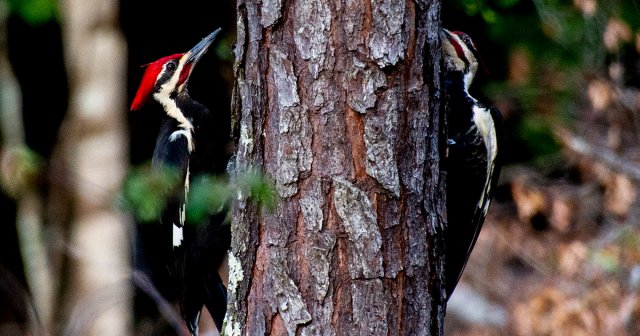
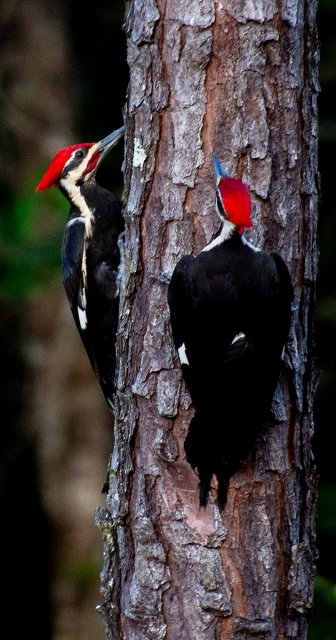
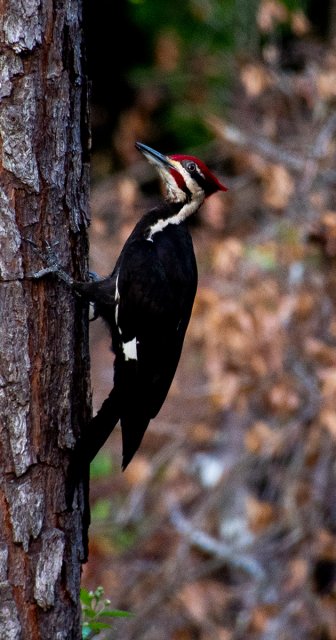
Time for some pics! These are all current pics from this spring.
Parrot pitcher plants, Sarracenia pscittacina. These are a carnivorous plant. The pic of the flowers is past their peak, the petals had already fallen off. They're the color of blood.


Hooded pitcher plants, Sarracenia minor. Also a carnivorous plant.

Three months after a burn

Two weeks after a burn


Not burned, but right next to an area that was. Resprouting exactly as if it was burned

Three months after being burned
A hybrid of the above two species, the beautiful pitcher plant, Sarracenia x formosa (formosa means beautiful)

Six weeks after being burned
Yellow pitcher plants, Sarracenia flava. Also a carnivorous plant.


In situ with S. minor
And now, for some that aren't carnivores.
Calopogon barbatus, the beared grasspink. A native orchid

Severely water stressed as pictured. March was unusually dry out here.
Lady's tresses, Spiranthes praecox. A native orchid.
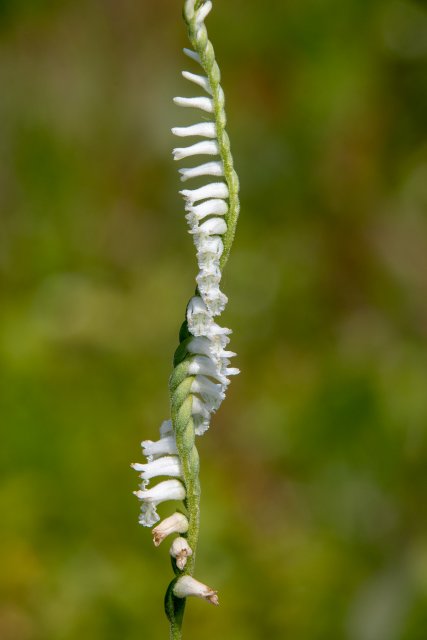
Polygala lutea, the orange candyroot. Can be used to make mint flavored tea. My kid used to call these Cheetos flowers.

The unfortunately named "tickseed", Coreopsis floridana. This is Florida's state wildflower.

This is the golden colicroot, Aletris lutea. This plant has a variety of medicinal uses.

Ok, ok; I guess one more carnivore lol

Parrot pitcher plants, Sarracenia pscittacina. These are a carnivorous plant. The pic of the flowers is past their peak, the petals had already fallen off. They're the color of blood.
Hooded pitcher plants, Sarracenia minor. Also a carnivorous plant.
Three months after a burn
Two weeks after a burn
Not burned, but right next to an area that was. Resprouting exactly as if it was burned
Three months after being burned
A hybrid of the above two species, the beautiful pitcher plant, Sarracenia x formosa (formosa means beautiful)
Six weeks after being burned
Yellow pitcher plants, Sarracenia flava. Also a carnivorous plant.
In situ with S. minor
And now, for some that aren't carnivores.
Calopogon barbatus, the beared grasspink. A native orchid
Severely water stressed as pictured. March was unusually dry out here.
Lady's tresses, Spiranthes praecox. A native orchid.
Polygala lutea, the orange candyroot. Can be used to make mint flavored tea. My kid used to call these Cheetos flowers.
The unfortunately named "tickseed", Coreopsis floridana. This is Florida's state wildflower.
This is the golden colicroot, Aletris lutea. This plant has a variety of medicinal uses.
Ok, ok; I guess one more carnivore lol