

Anchor Worms? Oh nooo!
- Thread starter QuErorZ
- Start date
You are using an out of date browser. It may not display this or other websites correctly.
You should upgrade or use an alternative browser.
You should upgrade or use an alternative browser.


Yes , it did Tom.
Now, i gotta ask you something else. I really don't think it is a disease but i want to check. On some fishes' body, on their body where fins come out or below their head & gills there is a pinkish tint. Not red. Just very little pinkiness. They don't look as green as a Largemouth Bass should be. Reminds you of any kind of disease?
I photoshopped this picture. Look at the one below. Little exaggerated though.
http://i874.photobucket.com/albums/ab304/Querorz/Seining 040_zpstimaeynf.jpg
Now, i gotta ask you something else. I really don't think it is a disease but i want to check. On some fishes' body, on their body where fins come out or below their head & gills there is a pinkish tint. Not red. Just very little pinkiness. They don't look as green as a Largemouth Bass should be. Reminds you of any kind of disease?
I photoshopped this picture. Look at the one below. Little exaggerated though.
http://i874.photobucket.com/albums/ab304/Querorz/Seining 040_zpstimaeynf.jpg
Last edited:
It's difficult to say. The one of the things that could cause something like that in the early stages is hemorrhagic or bacterial septicemia. I'm not saying that's what that is so don't panic but keep an eye on it and if you think it's getting worse we'll address it. Triple sulfa is very effective against it. One thing you can do is keep the water very clean and give them good diet.
Hi guys, newbie here, so be gentle. I had a tank when I was growing up, but now only deal with fish in outdoor ponds (bigger ones than just ornamental ponds) but have done some dabbling in RAS systems.
My first question is that from my research, flukes are common, but they don't manifest themselves unless the fish are stressed or overcrowded. Is that a correct statement? If so, in the previous 4 pages, I don't see where the stressors were identified.
Could poor water quality or "new tank" syndrome be a contributor to the problem, or the root cause of the problem? Could high levels of ammonia be causing the secondary symptoms?
My first question is that from my research, flukes are common, but they don't manifest themselves unless the fish are stressed or overcrowded. Is that a correct statement? If so, in the previous 4 pages, I don't see where the stressors were identified.
Could poor water quality or "new tank" syndrome be a contributor to the problem, or the root cause of the problem? Could high levels of ammonia be causing the secondary symptoms?


One of the things to consider with a pond, are bird feces (or even other animals ) being carriers of parasites.
Anything that can eat a fish, may carry the parasite in its gut, and drop it into a pond, miles away from where the phage has been picked up.
a virus, a protozoan, whatever
and....
Because all my fish are locally wild caught, and usually brought to me within hours of capture at least 50% arrived with some sort of blood sucking thing attached, that in nature is only a minor irritant, but in the context of a closed system, like a tank, or pond becomes much worse as it multiplies, and constantly reinfects the same fish over and over becoming lethal.
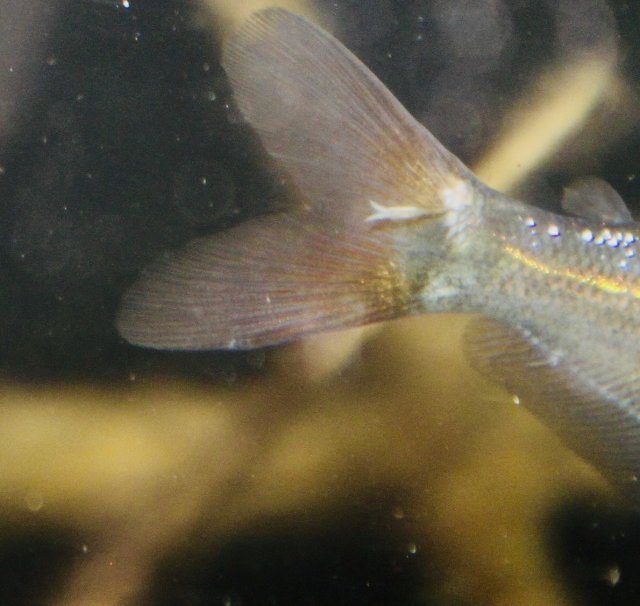
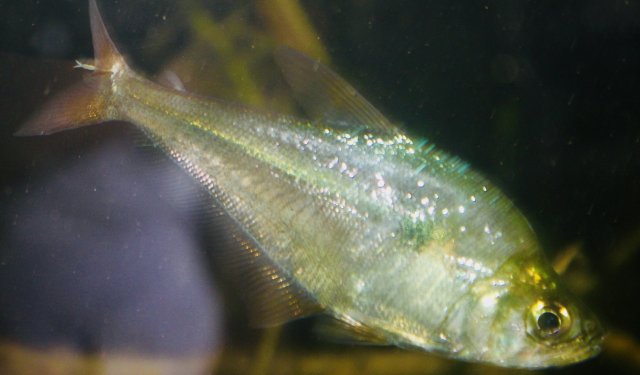
Lernae (anchor worm) above.

Some burying protozoal parasite like ick above.
Both were prevented in spreading by bringing the salinity to at least 3 ppt
Raising he salinity was done by adding 3 lbs of salt per 100 gallons.
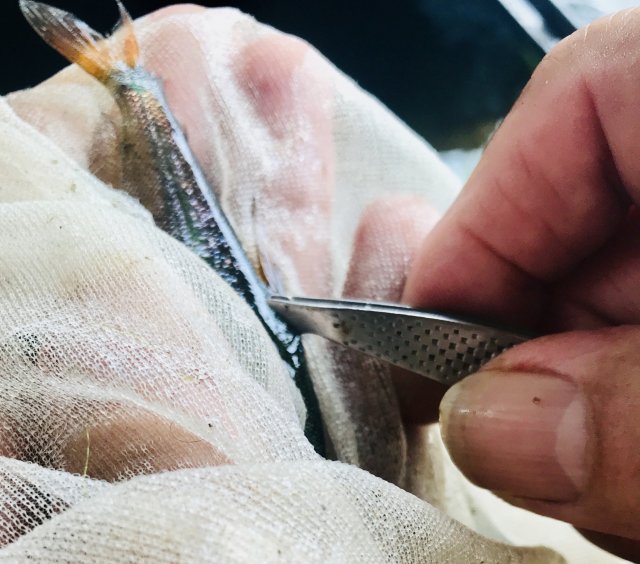
Although larval Lernea were compromised by salt, the adult Lernea laughed it off, (unaffected by salinity) so needed to be physically removed.
Anything that can eat a fish, may carry the parasite in its gut, and drop it into a pond, miles away from where the phage has been picked up.
a virus, a protozoan, whatever
and....
Because all my fish are locally wild caught, and usually brought to me within hours of capture at least 50% arrived with some sort of blood sucking thing attached, that in nature is only a minor irritant, but in the context of a closed system, like a tank, or pond becomes much worse as it multiplies, and constantly reinfects the same fish over and over becoming lethal.
Lernae (anchor worm) above.
Some burying protozoal parasite like ick above.
Both were prevented in spreading by bringing the salinity to at least 3 ppt
Raising he salinity was done by adding 3 lbs of salt per 100 gallons.
Although larval Lernea were compromised by salt, the adult Lernea laughed it off, (unaffected by salinity) so needed to be physically removed.
Last edited:

Original poster said in the first sentence, “I have these fish for 2 months now”. So the fishes immune system would be weak/ stressed from shipment. That plus. More stress while acclimatizing to new environment, water parameters, lighting schedule, etc. etc.
Welcome aboard
