

Geo species I'd please?

  • We are currently upgrading MFK. thanks! -neo
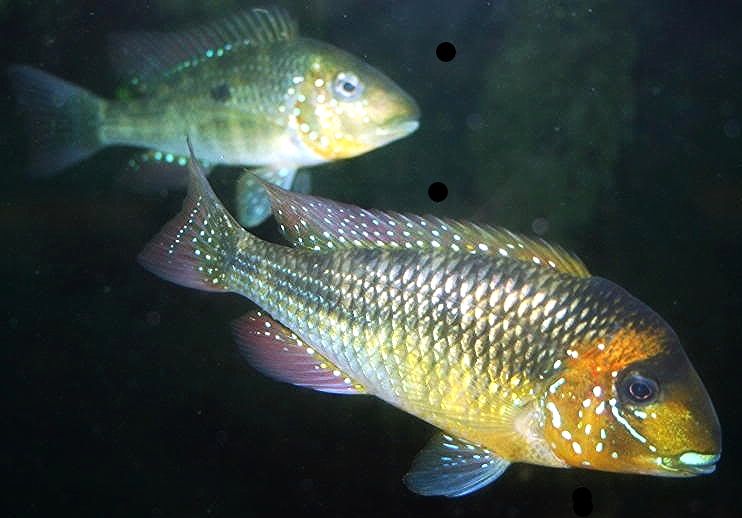
It may not be a strict Geo braziliensus, there are many others appearing from the braziliensus complex/clade these days besides the iporagenis in my pic, there is also itapicuruensis, obscures, and sp Bahia Red (probably even more).
Or because they are so similar, as the dealer said, could be a Gymnogeophagus, here are a couple Gymnos I had
Gymno sp Paso Pache
and rio yerbalito

there are probably 20 or more species of Gmno
I tried to get a closer edit of your pics to make ID easier.
fullsizeoutput_753.jpeg fullsizeoutput_752.jpeg
 
It may not be a strict Geo braziliensus, there are many others appearing from the braziliensus complex/clade these days besides the iporagenis in my pic, there is also itapicuruensis, obscures, and sp Bahia Red (probably even more).
Or because they are so similar, as the dealer said, could be a Gymnogeophagus, here are a couple Gymnos I had
Gymno sp Paso Pache

and rio yerbalito

there are probably 20 or more species of Gmno
I tried to get a closer edit of your pics to make ID easier.
View attachment 1303878 View attachment 1303879
 
I’ve only kept the bahia red variety and they had a much more robust build than the fish in your photo- almost closer to the body type of a male convict on a larger scale.
Most of the others don’t come around too often- I think Duane’s may be right about being a gymno- but it looks good and healthy and time will tell.
I’m sure my pellegrini aren’t Pellegrin but they are still cool
 
  • Like
Reactions: tlindsey
One thing you may want to consider if it is a Gymnogeophagus, or even one from the braziliensus complex.
These species come from southern S American, places like Argentina, Uruguay, and the southern tip of Brazil, where water temps are more sub-tropical, and a tad cooler than actual tropical temps of the north. Some like Gymnos actually do best with a cool down a few months per year.
I found dropping my Gymno tanks into the 50'sF did a lot for their color and health.
Even those of my braziliensus complex did best without aquarium heaters, in room temps between 65-72 F, (and even lower), they were much less aggressive, and tended to spawn when temps dropped.
I kept may outside spring thru fall in the midwest where night temps easily hit 50 in mid summer.


It’s definitely one of the brasiliensis types. Judging by the size of its eyes and the bony appearance of its forehead, it looks like it was malnourished before it came to you. I’d get it eating and potentially worm it if the fish doesn’t start putting on weight.
 
I thought the rainbow wolves were the only “schooling” wolffish, smaller and more easily communed, no?

I was only going to comment on the nice wolf!

I’ve never seen a geo quite like that- very curious what it is myseld

Compared to others, rainbow are the most peaceful.

I have a Purple Wolf that was in an aquarium with Cichlids when it was small. The Wolf is in with a few Cichlids now in my 180 gallon but I have seen it flare up at a Ornate Bichir . As with most depends on the species and personality of the fish.

I agree w/ this. It really comes down to the species and personally of the fish. It’s a hit or miss.
My point is all wolfs have the teeth and strong jaws to bite that can be fatal. It can kill before the keeper can do anything about it. If I saw any kind of aggression, I would seperate ASAP. Even if it was the cichlid who was the aggressor. Wolffish will defend themselves. It’s just a gamble I won’t take personally.
 
  • Like
Reactions: tlindsey
I would say it’s definitely a brasiliensis and looks like a female to me, watch as they get very territorial when older and will easily take on fish twice their size but grow up to be quite stunning
 
I did exactly that aggression then removed, I videoed it to so I could share their initial reaction to each other...
 
Wolf was pretty intimidating right!
 
MonsterFishKeepers.com
