


Please help identify this Earth Eater!
- Thread starter BrahumeAQ
- Start date
You are using an out of date browser. It may not display this or other websites correctly.
You should upgrade or use an alternative browser.
You should upgrade or use an alternative browser.
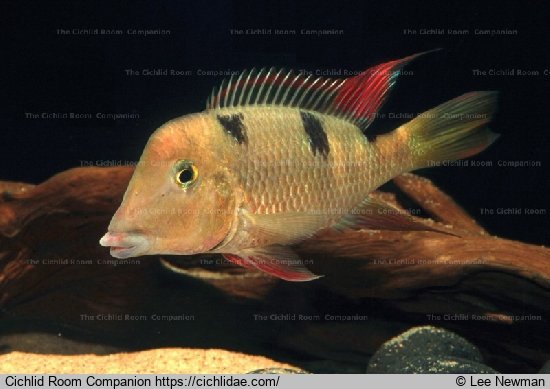

It wasn't in Cichlasoma. Originally it was called Acara heckelii, then described as Acarichthys heckelli in 1912. It was also described as Gepphagus thayeri (Steindachner 1875 ) and Acara subocularis (Cope 1878).Geophagus Heckelli is a misconception I think. I don't think they've been in that group before I think they were Acaraicthys after the Cichlasoma group was split up.
Geophagus Heckelli is a misconception I think. I don't think they've been in that group before I think they were Acaraicthys after the Cichlasoma group was split up. It is a very addictive hobby (though not sure hobby does it justice - lifestyle maybe?). I had a group of Geophagus Winemilleri and a Threadfin for quite a long time, also had a group of Cupids for a few years. Gymnogeos are a bit different to the others due to the cooling period they need over winter, make sure you read up on that as its super super important.
If you are into your house plants as well, you should look into Riparian planting. Take some of your cuttings from things like Pothos, Monsterra, Peace Lillys and Philodendrons and clip them to the edge your tank or in a little planter at the surface and they will develop water roots. Fantastic nitrate sponges, much better than aquatic plants that mainly want to feed on ammonia. You just have to be careful with some plant eaters like Severums or Uaru as the roots can be toxic if they are nibbled. Though not 100% on the evidence for that, I think the concern comes from the fact some of them are toxic to humans and dogs.
That’s funny you mentioned the riparian planting. I just took quite a few of my pothos plants (all different types) and am currently propagating about 50 cuttings in cups with the tank water. I’ve heard the same thing about certain plants (both pothos and philodendrons) being toxic as well, especially the roots (which I’ve never witnessed my severums eat the roots, but I wont take the chance). So I’m going to propagate in a cup and once the actual cut in the plant heals over and roots start to show, transfer them to a HOB filter loaded with matrix and continue propagating the roots using the matrix as the substrate and the water flow through the HOB filter as the constant stream of nutrients. At least I’m sure the actual plant won’t be available for dinner (if it is toxic), and the hob will serve as a two shop stop, beneficial nitrifying bacteria, and a great rooting medium for those plants to suck up the extra nitrates.
also, thanks again for the great info. Picked up 5 geophagus red Bahia today from a local breeder I know well. Was looking through pictures of adult Bahias and they seem to look more like acaras. Honestly some pictures look like someone took a green terror and then colored all the blue/greens red and orange. Do you think this’ll be one of those cases where they will change the genus this particular fish is in?
That’s funny you mentioned the riparian planting. I just took quite a few of my pothos plants (all different types) and am currently propagating about 50 cuttings in cups with the tank water. I’ve heard the same thing about certain plants (both pothos and philodendrons) being toxic as well, especially the roots (which I’ve never witnessed my severums eat the roots, but I wont take the chance). So I’m going to propagate in a cup and once the actual cut in the plant heals over and roots start to show, transfer them to a HOB filter loaded with matrix and continue propagating the roots using the matrix as the substrate and the water flow through the HOB filter as the constant stream of nutrients. At least I’m sure the actual plant won’t be available for dinner (if it is toxic), and the hob will serve as a two shop stop, beneficial nitrifying bacteria, and a great rooting medium for those plants to suck up the extra nitrates.
also, thanks again for the great info. Picked up 5 geophagus red Bahia today from a local breeder I know well. Was looking through pictures of adult Bahias and they seem to look more like acaras. Honestly some pictures look like someone took a green terror and then colored all the blue/greens red and orange. Do you think this’ll be one of those cases where they will change the genus this particular fish is in?
Like I say I'm not sure they are actually toxic to fish? Its just the assumption that they are to mammals but thats not true in every case.
In terms of the Bahia, they are an un-described species but should look like red Geophagus Brasilliensis? I've not looked into them for a while but thats what I always thought but I can see the comparison you are making too.
The Geophagus group has been due a sort out for a while now but not sure if anyone has been looking at it. I read a while ago that we should think of them as three groups rather than one species 'Surinamensis', 'Stiendachnari' and 'Brasiliensis' and that sort of replicates most species if you think about them - eg Altifrons, Winemilleri, Tapajos fit into Surinamensis (though Tapajos is a bit different), Crassibillis, Stiendachnari into Stiendachnari and Brassiliensis, Imporogensis and Bahia Reds into Brasilliensis. I have seen some new to the hobby species recently I think called Alto Sinu that made me question this though as they have characteristics of all three...

^ Yeah, Bahia Reds were a fish in the ‘Geophagus’ brasiliensis group. These are supposedly being sorted out into their own genus soon, as they are not “true” Geophagus. They are usually more aggressive and boisterous, larger-growing, and don’t actually sift substrate for food. They behave more like acaras or heroini fish. They should be treated as such — they’ll likely bully more peaceful fish and need larger tanks.
Do you have a pic? I do t remember the Bahia fish looking like an acara but more like a redder more slender brasiliensis type..That’s funny you mentioned the riparian planting. I just took quite a few of my pothos plants (all different types) and am currently propagating about 50 cuttings in cups with the tank water. I’ve heard the same thing about certain plants (both pothos and philodendrons) being toxic as well, especially the roots (which I’ve never witnessed my severums eat the roots, but I wont take the chance). So I’m going to propagate in a cup and once the actual cut in the plant heals over and roots start to show, transfer them to a HOB filter loaded with matrix and continue propagating the roots using the matrix as the substrate and the water flow through the HOB filter as the constant stream of nutrients. At least I’m sure the actual plant won’t be available for dinner (if it is toxic), and the hob will serve as a two shop stop, beneficial nitrifying bacteria, and a great rooting medium for those plants to suck up the extra nitrates.
also, thanks again for the great info. Picked up 5 geophagus red Bahia today from a local breeder I know well. Was looking through pictures of adult Bahias and they seem to look more like acaras. Honestly some pictures look like someone took a green terror and then colored all the blue/greens red and orange. Do you think this’ll be one of those cases where they will change the genus this particular fish is in?
They definitely have an acara vibe, as do adult brasiliensis. They often get mislabeled as green terrors because of the spangly scales and body shape.
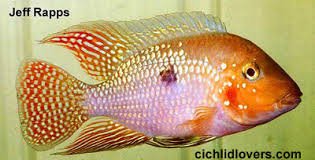
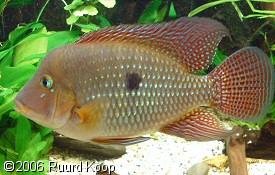
They definitely have an acara vibe, as do adult brasiliensis. They often get mislabeled as green terrors because of the spangly scales and body shape.
View attachment 1502214View attachment 1502215
It looks like there is a bit of Acaraicthys in there for me on the Bahia
