

Hi all, long time lurker first time Poster!
I'm recently finishing building my 180g acryllic and 75 gallon sump, she's beautiful!
As of now I will be stocking with a few clown loaches, some angel fish, a very passive frontosa, an Oscar, ornate bichir and of course a fire eel at only 10 inches atm!
I was quite curious about my fire eel, as I've read general information stating the fire eel can be toxic to humans if bit, as well as the slime their pectoral fins produce.. Can anyone shed some light on this? I've read numerous forums here and elsewhere, and nobody has ever mentioned this. Can anyone verify this, and if so to what extent?
Keeping a saltwater tank for awhile I was aware that certain coral such as zoanthids were toxic to an extent , however these warning were fairly easily accessible and states upon sale, Etc.
I like to be hands in with my tanks, constantly cleaning and re-scaping my aquaria and just want to be sure whether or not I need to take certain precautions around my eel...
Tanks getting close to 'full completion' and the rest the fish will be added soon!
Thanks all!
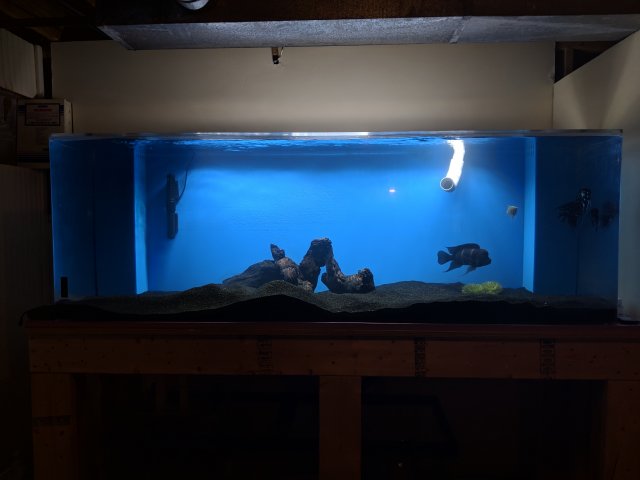
I'm recently finishing building my 180g acryllic and 75 gallon sump, she's beautiful!
As of now I will be stocking with a few clown loaches, some angel fish, a very passive frontosa, an Oscar, ornate bichir and of course a fire eel at only 10 inches atm!
I was quite curious about my fire eel, as I've read general information stating the fire eel can be toxic to humans if bit, as well as the slime their pectoral fins produce.. Can anyone shed some light on this? I've read numerous forums here and elsewhere, and nobody has ever mentioned this. Can anyone verify this, and if so to what extent?
Keeping a saltwater tank for awhile I was aware that certain coral such as zoanthids were toxic to an extent , however these warning were fairly easily accessible and states upon sale, Etc.
I like to be hands in with my tanks, constantly cleaning and re-scaping my aquaria and just want to be sure whether or not I need to take certain precautions around my eel...
Tanks getting close to 'full completion' and the rest the fish will be added soon!
Thanks all!




